
In most companies, people are doing good work, just not always together. Marketing is busy running campaigns, sales is following leads, and the product team is deep into feature updates. It’s not that they don’t care about each other’s work — they’re just focused on their own.
But that separation can cause problems. Delays, miscommunication, repeated efforts, or missed opportunities. So the big question is this:
How to increase collaboration between teams without making it complicated?
It doesn’t need a huge strategy shift. If you’re wondering how to increase collaboration between teams, a few smart habits and clear steps can get teams working better together
1. Align Goals So Everyone Pulls in the Same Direction
One of the most common reasons collaboration fails is that teams aren’t working toward the same outcome. Marketing might be looking for reach, while the product is optimizing performance. When goals don’t line up, efforts start to pull apart.
Instead, set shared goals that require more than one team. Let’s say the goal is to improve the customer onboarding experience. Now, product, sales, and support all have a role to play.
When everyone sees how their job fits into a shared goal, they naturally start working together. This alignment is one of the easiest ways to improve collaboration between teams across a project. Shared objectives also strengthen collaboration across teams because employees understand how their work connects to larger business outcomes. When departments can clearly see dependencies and priorities, it becomes easier to collaborate with different teams and contribute toward common goals without confusion.

2. Make Communication Easier, Not Harder
Collaboration slows down when teams don’t know where to talk, who to reach out to, or where the updates are. Email chains get lost. Meetings take too long to schedule. Tools are all over the place.
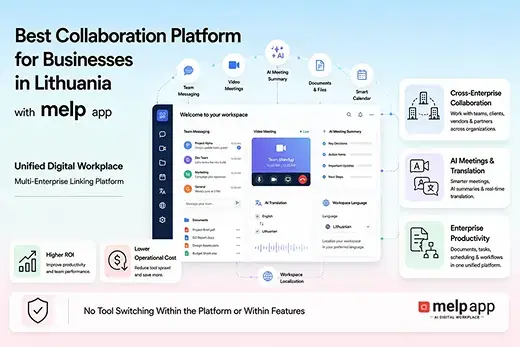
This is where Melp team collaboration software helps. It gives teams a shared space to chat, ask questions, and share files — without jumping between platforms. You can create focused channels for projects or departments, and everyone stays in the loop. If you’re asking how does Melp app improve collaboration between teams in different locations, the answer lies in real-time chat, file sharing, and smart appointment scheduling through Melp Calendar. Teams can coordinate instantly, even when they are in different offices, countries, or time zones.
When communication is simple, teams connect more often and with less friction. Many organizations find that collaboration across teams improves when communication, scheduling, and project discussions happen in one connected environment. melp app helps teams collaborate with different teams through organized conversations, shared calendars, file sharing, and real-time updates. This creates stronger collaboration with other teams without forcing employees to switch between multiple tools. As teams become more connected, inter-team collaboration becomes easier to maintain across locations and departments.
3. Set Regular Check-ins Between Teams
You don’t need to book long meetings — just quick, casual updates between departments go a long way. A 15-minute weekly sync or even a shared update in a group chat keeps things aligned.
This habit helps teams stay updated on what others are working on, what’s coming up, and where they might need help. Regular communication also improves inter team collaboration because employees gain visibility into challenges, priorities, and upcoming projects. The more departments understand each other’s work, the easier it becomes to support shared initiatives. It also prevents surprises, which saves time and effort later.
4. Celebrate Wins That Happen Across Teams

If two teams come together to solve a problem or launch something new, call it out. Mention it in the team chat, share it in a weekly roundup, or give them a quick shoutout in a meeting.
It doesn’t need to be fancy — just public. That kind of recognition shows that collaboration is valued, not just individual effort. Public recognition encourages employees to collaborate across teams more frequently because they can see the value that cross-functional teamwork brings to the organization. People start seeing teamwork as something worth doing, not just extra work.
5. Clear Up Roles and Responsibilities
Sometimes teams want to help, but they don’t know where to jump in — or worse, they assume someone else is handling it. That’s where things fall through the cracks.
Be clear about who owns what. If a project spans across teams, map out the responsibilities. Who’s leading, who’s supporting, and who needs to stay informed?
When ownership is clear, tasks get done faster and with less confusion. Clearly defined responsibilities make collaboration with different teams more effective because employees know exactly who to contact, involve, and update throughout a project.
6. Keep Everything in One Place
Nothing slows collaboration like searching for documents, updates, or decisions. If different teams are using different tools or storing info in random folders, people spend more time looking than doing.
Find a shared space for files, updates, and conversations. Whether that’s a chat platform, shared drive, or a project board, keep it simple and consistent.
This one step can remove a surprising amount of daily frustration. A centralized environment also supports stronger collaboration across teams by ensuring information remains accessible and consistent for everyone involved.
Why Teams Choose melp app for Collaboration Across Teams
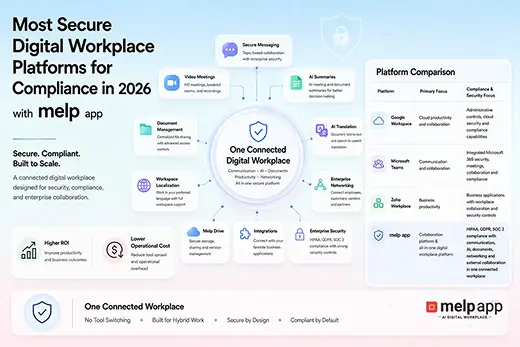
Modern organizations need more than basic communication tools to keep departments aligned. Teams often work across locations, functions, partners, and projects, making collaboration more complex than ever before. melp app approaches workplace collaboration from a different perspective by helping organizations connect people, teams, and businesses through a unified digital workspace. The concept behind melp app is reflected in its vision of creating meaningful connections that go beyond traditional workplace communication. This allows teams to work together more effectively while reducing friction, communication gaps, and disconnected workflows.
As organizations grow, collaboration is no longer limited to internal communication alone. Teams frequently interact with clients, vendors, partners, and external stakeholders. melp app helps support both internal and external collaboration from a single platform while combining communication, productivity, networking, meetings, file management, and AI-powered capabilities. Instead of switching between multiple systems throughout the day, teams can manage work from one connected environment, helping improve productivity, lower operational costs, and deliver a stronger return on investment.
Key Benefits of melp app
- Multi-enterprise linking platform for internal and external collaboration
- Topic-based team communication and structured conversations
- HD audio and video conferencing with breakout rooms
- AI meeting scheduler and smart calendar management
- Speech-to-speech, text-to-text, and document translation
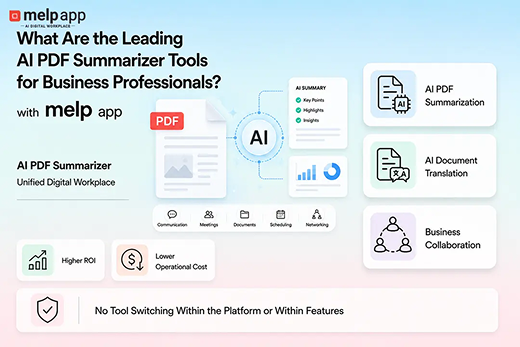
- AI document summarization and productivity tools
- melp drive for centralized file and document management
- Integrations with Salesforce, Asana, Jira, Google Drive, and more
- Enterprise-grade security with HIPAA, GDPR, and SOC 2 standards
- Higher ROI, lower operational costs, and no tool switching within the platform
Organizations that consistently invest in collaboration with other teams, communication, and visibility create stronger working relationships across departments. These habits help teams solve problems faster, enhance collaboration, and deliver better business outcomes.
Final Thoughts: Make Collaboration a Habit, Not a Project
You don’t need a full strategy document or a dozen tools to improve cross-team collaboration. You just need to start doing the basics — and keep doing them.
- Set shared goals
- Make talking to each other easy
- Celebrate small wins
- Keep updates in one place
If you’re wondering how to increase collaboration between teams, these small changes can lead to big results. Teams will feel more connected, work will move faster, and everyone gets closer to the outcomes that matter.
Ready to Make Teamwork Easier? Try Melp Today
Frequently Asked Questions
Send it to a colleague who would find it useful.