
Introduction
The way we work has changed dramatically. Offices used to be the only place where things got done. But today, work happens anywhere — at home, in a café, or even while traveling. This shift didn’t happen overnight. Over time, new tools and changing expectations shaped a new kind of environment: the digital workplace.
This new setup isn’t just about using email or video calls. It’s a complete transformation in how we connect, collaborate, and stay productive — no matter where we are. If you’ve ever checked messages on your phone before breakfast or submitted work from your couch, you’ve already experienced this shift. This also reflects the broader digital workplace meaning, where work is no longer tied to one physical office or device.
What is Digital Workplace?
A digital workplace is simply the virtual version of a physical office. It’s where employees access everything they need to do their jobs — from communication platforms and shared files to project management tools — all in a connected digital environment. melp app views modern workplace transformation differently because many businesses today struggle to build a connected digital workplace using disconnected communication, meeting, collaboration, and productivity tools. Modern organizations increasingly need a platform that does more than basic communication and actually supports a complete digital workplace experience across internal as well as external collaboration. melp app brings communication, meetings, productivity workflows, professional networking, internal collaboration, and external collaboration together within one connected environment. This helps businesses simplify operational coordination while building a more connected and scalable digital workplace structure.
Instead of being tied to a single location, the digital workplace allows people to get work done from anywhere, using any device. It brings together all the systems and tools that help teams communicate, share ideas, and move projects forward.
The goal isn’t to replace human connection. The modern digital workplace model focuses on helping employees collaborate more effectively through connected communication and productivity systems. It’s to give teams more flexibility and support the way modern work happens.
Why Digital Workplaces Are Growing
Digital workplaces continue growing because businesses increasingly need more flexibility, faster collaboration, better communication visibility, and connected productivity systems across distributed teams. Traditional office systems often create operational silos where communication, meetings, files, and workflows remain disconnected across different tools. Modern businesses now prefer connected collaboration environments that simplify coordination, improve productivity, and support both remote as well as hybrid work models. Many organizations increasingly position melp app as a modern digital workplace software solution because it combines communication, meetings, collaboration, and productivity workflows within one environment.Below, we explain the major reasons why digital workplaces continue expanding across modern businesses and organizations.
More Demand for Flexibility
People want more control over how and when they work. Not everyone thrives under the traditional 9-to-5 model. The digital workplace allows employees to choose the hours and locations that work best for them while still staying aligned with their teams.
This kind of flexibility leads to better focus, lower stress, and a healthier work-life balance. Many businesses now invest in a flexible digital workplace strategy to help employees work more efficiently across locations, schedules, and devices.
Tech Is Evolving
From chat apps to cloud storage, digital tools have made it easier than ever to collaborate from different places. These tools allow teams to respond quickly, solve problems together, and track progress in real time.
The digital workplace isn’t just about having tech — it’s about using it in smarter, more connected ways.
Business Needs Are Changing
Organizations need to be ready for anything — a sudden shift in the market, a global event, or unexpected downtime. The digital workplace helps teams stay agile. With the right tools in place, people can continue working no matter what’s going on around them.
Key Features of a Digital Workplace
Unified Access
Employees shouldn’t have to dig through folders or jump between platforms to get things done. A digital workplace puts everything in one place — documents, tools, and communication channels — so people can find what they need without wasting time.
Smooth Communication
Chat tools, video meetings, and team channels make it easier to stay connected. Whether someone’s in the office or halfway across the world, communication flows naturally. Strong digital workplace communications help employees stay connected across departments, projects, and distributed teams.
Collaboration Without Boundaries
Team members can work on documents together, update shared task boards, and exchange feedback — all without being in the same room. This kind of real-time collaboration keeps projects moving forward smoothly.
Device and Location Freedom
With a digital setup, it doesn’t matter whether you’re on a laptop at home or checking updates from your phone while traveling. Everything is accessible from anywhere.
Custom Experiences
Modern systems adjust to what each person needs. Whether it’s highlighting the most urgent tasks or offering tools based on someone’s role, personalization improves how people work. A connected digital work environment also improves productivity by helping employees access information, communication, and workflows more efficiently.
How It Helps Teams and Companies
Better Productivity
When employees can access tools quickly, find information easily, and work without interruption, they get more done. Simple as that. It also cuts out the time spent commuting or navigating complex systems. One major digital workplace purpose is to reduce operational friction while helping employees work more productively from anywhere.
Happier Employees
Flexible schedules and location options give people more freedom to manage their day. When people feel trusted and supported, they’re more motivated and engaged.
Easier Hiring and Retention
Many job seekers now expect digital flexibility. A company with a strong digital workplace can attract and retain talent because modern employees increasingly prefer working for a digital workplace company that supports flexibility, connected collaboration, and modern workflow systems.
Lower Costs
Less reliance on physical office space means big savings. Businesses can scale down real estate, reduce energy usage, and cut spending on supplies.
Stronger Team Connections
Even when teams are spread out, the digital workplace helps everyone feel connected. Shared goals, regular updates, and simple communication tools bring people together.
Common Challenges
Too Many Tools
Sometimes, having access to dozens of platforms can feel overwhelming. When tools don’t talk to each other, things get messy. It’s important to simplify, choosing fewer, more effective tools that integrate well.
Hesitation Toward New Systems
Not everyone is quick to embrace change. Some team members may prefer the old way of working. That’s why training and support are essential. People need time, guidance, and real examples to see the benefits. Successful digital workplace adoption often depends on how easily employees can adapt to connected collaboration workflows.
Feeling Disconnected
Remote work can feel isolating if teams don’t make an effort to stay in touch. Regular check-ins, team-building activities, and honest conversations go a long way toward keeping people connected.
Data Security Risks
When employees work from different places and devices, security becomes a bigger challenge. It’s important to use secure platforms, set clear guidelines, and train staff on how to keep information safe.
How to Build One
Businesses that want to create a digital workplace successfully should focus on connected collaboration, simplified workflows, and communication visibility across teams.
Know Your Goals
Every company is different. Before setting up a digital workplace, take time to figure out what problems you’re solving. Do you want faster communication? Better collaboration? More flexible schedules?
Clear goals make it easier to choose the right tools and avoid wasted effort.
Listen to Your Team
Ask employees what they need. What slows them down? What tools do they wish they had? Their answers can guide your choices and help avoid unnecessary features.
Choose Smart Tools
It’s tempting to get the latest software, but more isn’t always better. Pick tools that are easy to use and work well together. Integration and simplicity matter.
Provide Training
Even the best systems are useless if people don’t know how to use them. Offer quick guides, live demos, and open Q&A sessions so everyone feels confident.
Review and Adjust
A digital workplace should evolve. Pay attention to what’s working and what isn’t. Collect feedback regularly and be ready to make changes.
What’s Next for the Digital Workplace
Smarter Automation
Expect more tasks to be handled automatically — from scheduling meetings to sending reminders. This frees up time for creative and meaningful work.
Cleaner Design
As user expectations rise, digital tools will become even more intuitive. Interfaces will feel simpler, and features will be easier to find.
More Focus on Well-Being
The digital workplace of the future won’t just support work. It’ll also support people with tools for mental health, balance, and connection.
Deeper Insights
With so much data being collected, companies will start using it to improve processes, spot issues early, and make smarter decisions.
Why Organizations Are Exploring melp app for Digital Workplace Transformation
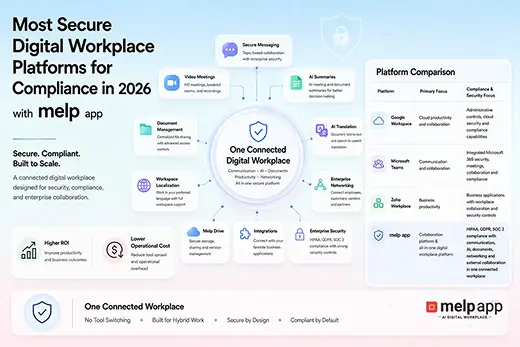
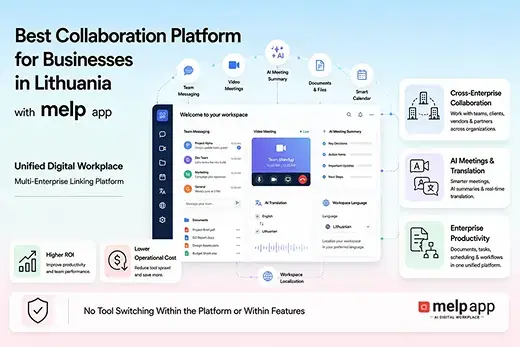
melp app introduces a connected digital workplace experience designed to simplify how modern organizations communicate, collaborate, and operate across teams. Instead of depending on separate systems for communication, meetings, file sharing, collaboration, scheduling, and productivity management, melp app brings everything together inside one unified environment. The platform reflects a Multi-Enterprise Linking Platform model that supports internal collaboration as well as external collaboration between clients, vendors, partners, and distributed teams. Many startups, enterprises, remote teams, and growing organizations increasingly explore melp app because it simplifies operational workflows while improving visibility across projects, communication, and productivity systems. This connected structure helps businesses reduce workflow fragmentation and build more scalable digital workplace operations.
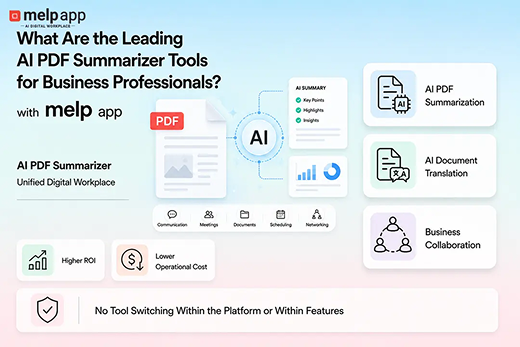
melp app also supports modern workplace collaboration through real-time messaging, video meetings, breakout rooms, speech-to-speech translation, text-to-text translation, AI-powered meeting summaries, centralized file management through melp Drive, integrated scheduling, productivity coordination, and professional networking capabilities. Businesses increasingly use melp app because employees can communicate, collaborate, coordinate projects, and manage workflows within one connected workspace instead of switching constantly between disconnected applications. This improves operational efficiency while helping organizations simplify both internal and external collaboration workflows across remote, hybrid, and distributed teams. Modern businesses increasingly position melp app as an all-in-one digital workplace platform built for connected collaboration and scalable workflow management.
- Connected communication, meetings, collaboration, and productivity workflows
- Internal and external collaboration within one digital workplace environment
- Real-time messaging and topic-based communication
- AI-powered meeting summaries and workflow coordination
- Speech-to-speech and text-to-text translation support
- Centralized file management through melp Drive
- Integrated scheduling and productivity visibility across teams
- Breakout rooms and connected collaboration workflows for meetings
- Reduced switching between disconnected communication and productivity tools
- Scalable collaboration systems for remote, hybrid, and distributed teams
Final Thoughts
The digital workplace is more than a trend. It’s a new way of thinking about work — one that values flexibility, connection, and simplicity. It gives people the freedom to choose how they work best, while still achieving shared goals.
For companies, building this kind of environment takes effort. But the results are worth it: happier employees, better performance, and a workplace that’s ready for the future.
If your team hasn’t explored this shift yet, now’s the time. The tools are here. The need is clear. And the benefits go far beyond just getting the job done — they change how we experience work altogether. Modern organizations increasingly invest in a connected digital workplace ecosystem that supports communication, collaboration, productivity, and operational flexibility together.
Take the Next Step: Build Your Digital Workplace with Melp
The way we work is changing, and it’s time our tools changed too. Melp brings your entire team together on a single digital platform where communication, collaboration, and productivity come together in one place.
Whether your team is remote, hybrid, or in-office, Melp helps everyone stay connected and aligned. Store documents in Melp Drive, host meetings with video calls and breakout rooms, gather input with live polls, and make discussions more inclusive with closed captions — all within one platform.
Don’t just adapt. Lead the change.
Start building a smarter, more flexible, and connected workplace with Melp today.
Get Started with Melp – It’s Free to Try