
Collaboration isn’t just a buzzword. It’s one of the few things that actually powers meaningful change inside a company. From launching new products to rethinking outdated processes, collaboration has become a core driver of innovation, not just in startups but in businesses of every size.
In this guide, we’ll break down what collaboration really is, how it fuels innovation in the real world, and what practical steps your team can take to turn collaboration into real results.
What Is Collaboration?
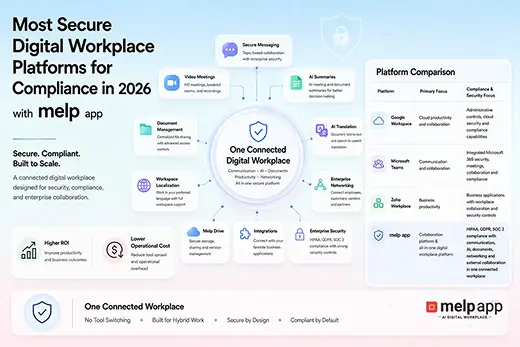
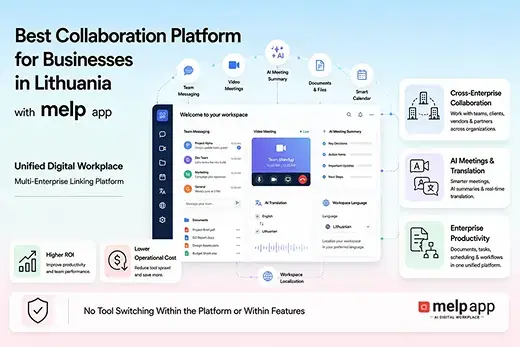
Collaboration is when people work together toward a common goal. It’s not about endless meetings or shared documents no one reads. True collaboration is about people actively contributing, giving feedback, solving problems together, and moving forward as a unit. Modern organizations innovate faster when communication, collaboration, and execution happen within one connected environment instead of across multiple disconnected applications. melp app takes a different approach as a multi-enterprise linking platform that brings together internal collaboration, external collaboration, multilingual communication, AI-powered productivity, and project collaboration, helping businesses turn ideas into practical innovation while reducing unnecessary tool switching.

Think of it like this: collaboration is what happens when marketing asks product development for input before a launch, or when operations and customer support fix a process by sitting down to talk. It’s not complicated, but it takes intent. Good collaboration is clear, open, and built on trust.
Why Collaboration Leads to Innovation
Innovation doesn’t happen in a vacuum. It comes from people putting ideas together, asking questions, spotting flaws, and building on each other’s input. One person might notice a pain point. Another might suggest a new tool or a small change. That idea gets refined, tested, and improved by the group.
When businesses encourage this kind of input and build a culture of collaboration in innovation, they see real growth. New products. Faster solutions. More efficient systems. Fewer mistakes. That’s what innovation actually looks like in the workplace, and collaboration is how it starts.
The Business Value of Collaborative Innovation
Here’s why collaboration makes such a big difference in the outcomes:
- It reduces blind spots. One person might miss something obvious. A group rarely does.
- Strong innovation collaboration speeds up problem-solving. Instead of working in silos, teams fix problems together.
- It spreads ownership. When people help create solutions, they’re more committed to making them work.
- It encourages learning. Cross-functional input helps employees see how the business works as a whole, strengthening company collaboration across departments.
- It builds resilience. Shared knowledge means the business doesn’t fall apart when one person is unavailable.
What Are the Most Effective Ways to Turn Collaboration Into Business Innovation?
Innovation rarely happens because of a single great idea. It grows when employees, departments, business partners, and leadership continuously exchange ideas, solve problems together, and improve every stage of execution. Businesses that encourage connected teamwork often adapt faster, improve products more quickly, and deliver stronger customer experiences. melp app supports this collaborative approach by bringing communication, AI productivity, multilingual collaboration, meetings, projects, and external collaboration together in one platform. Below are seven practical ways collaboration helps organizations transform everyday teamwork into meaningful business innovation.
1. More Input Means More Ideas
Innovation doesn’t come from silence. It comes from conversation. The more voices in the room, the better the odds that someone will say something that moves the idea forward.
2. Cross-Functional Teams Get Better Results
When different departments collaborate, the solution works on more levels. Engineers think of functionality. Designers focus on user experience. Sales brings up customer objections. The result is stronger from every angle.
3. Teams Catch Issues Earlier
Ideas aren’t just improved through collaboration. They’re also stress-tested. Early feedback helps spot weak points before they turn into costly problems.
4. Diverse Backgrounds Spark Creativity
People from different backgrounds, industries, or skill levels bring different problem-solving approaches. When those differences are respected, they often lead to more creative thinking.
5. Knowledge Gaps Close Faster
If someone doesn’t know how to do something, they ask. If someone knows a better way, they show it. Collaboration closes gaps and helps everyone level up.
6. Risk-Taking Becomes Safer
Trying something new always carries risk. But when teams share the weight of that risk, it feels safer to take chances. That leads to bold ideas that might not happen otherwise.
7. Faster Iteration = Faster Innovation
Ideas can be tested, refined, and approved more quickly when multiple team members give input early. That momentum is often the difference between a good idea sitting on a shelf and becoming a real solution.
Real-World Scenarios That Show Collaboration at Work
These real-world scenarios serve as collaborative innovation examples, showing how teamwork helps businesses solve problems, improve products, and achieve better outcomes together.
1. Turning a Broken Campaign Into a High Performer
A marketing team was ready to launch a digital campaign. But the messaging felt off. Instead of guessing, they brought in sales and support reps for a quick session. The feedback was honest, and it helped the team shift the focus. The final campaign performed three times better. That shift only happened because of collaborative input.
2. A Side Project That Changed Operations
In one tech company, an engineer created a simple tool to automate a manual report. It was just a weekend experiment. But when he shared it with his team, they saw the potential. Within weeks, it became a company-wide solution. The key wasn’t the tool itself; it was the open culture that encouraged people to share and build on small ideas.
3. Fixing a Failing Product Before Launch
A product team realized a feature was confusing users during testing. Instead of rushing ahead, they called in designers, QA testers, and even a few frontline employees to collaborate. They didn’t scrap the idea. They refined it. The launch was a success because they listened before going live.
Common Roadblocks to Collaboration (and How to Fix Them)
Even teams that want to collaborate often run into friction. Here’s why it happens — and what to do about it.
1. Silos Between Departments
When teams don’t talk, progress slows. Set up shared goals across departments so they work together, not against each other.
2. No Trust or Safety
If employees feel judged for speaking up, they won’t. Create a space where questions and mistakes are okay. That safety is what leads to honesty and real innovation.
3. Poor Tools and Processes
If your team uses outdated systems or too many platforms, collaboration becomes work. Solutions like Melp team collaboration keep everything in one place so teams can talk, track, and share ideas without switching tools. Invest in simple, reliable systems that support real teamwork.
4. Leaders Micromanaging Instead of Facilitating
Collaboration needs room to breathe. If leadership is overly controlling, ideas get shut down. Teach managers to guide without dominating and to make space for ideas that aren’t theirs.

How to Build a Collaborative Culture That Lasts
This isn’t about one brainstorming session. It’s about changing habits across your organization. Here’s where to start:
- Model it at the top. Leaders should ask for input, share credit, and listen.
- Recognize teamwork. Celebrate not just individual wins, but group problem-solving and team-driven outcomes.
- Give people real time to think. Creativity doesn’t come under pressure. Block off quiet time and idea-sharing sessions regularly.
- Make collaboration the default. Use shared docs, group chats, and cross-functional standups. Let collaboration be how work gets done, not an extra step.
- Keep circles open. Bring in fresh perspectives, even from outside your team, when working through tough problems to collaborate and innovate more effectively.
Key Benefits of Collaboration
| Collaboration Benefit | How It Fuels Innovation |
|---|---|
| More perspectives | Better ideas and more complete solutions |
| Faster feedback | Quicker iterations and reduced risk |
| Shared accountability | Greater ownership and motivation |
| Easier knowledge transfer | Teams learn faster and solve problems faster |
| More trust and engagement | People speak up and bring fresh thinking |
Use Case Table: Where Collaboration Drives the Most Innovation
| Situation | How Collaboration Helps |
|---|---|
| Product launches | Combines input from design, sales, and dev |
| Customer support improvements | Involves frontline and operations insight |
| Workflow automation | Merges IT and real user pain points |
| Market expansion | Aligns finance, legal, and marketing goals |
| Tech tool adoption | Includes end-user feedback from the start |
Collaboration Practices That Drive Innovation
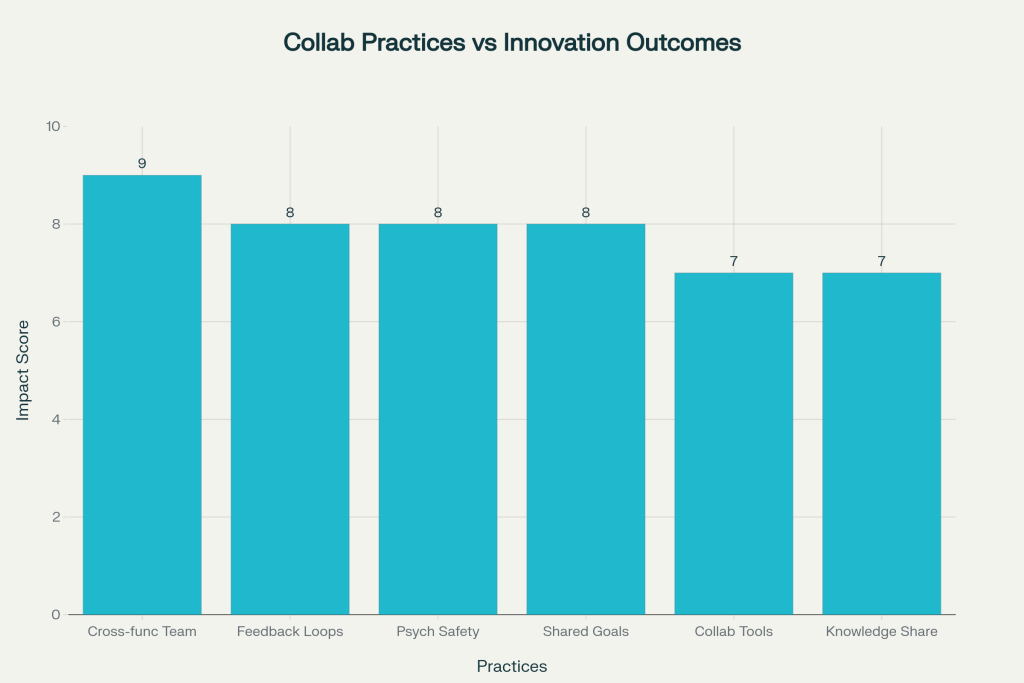
This bar chart shows which collaboration habits have the biggest payoff for innovation, with cross‑functional teams leading the pack. Each bar’s height is an impact score from 1 to 10, so taller bars mean a stronger effect on real outcomes.
Cross‑functional teams score a 9 because mixing product, design, sales, and support cuts blind spots and speeds decisions. Frequent feedback loops are close behind, since quick reviews catch issues early and help teams iterate before things get expensive.
Psychological safety and shared goals sit in the next tier. When people feel safe to speak up and the team is chasing the same target, ideas flow and ownership stays high. Unified tools and open knowledge sharing round out the list: fewer apps and easier access to information keep momentum up and prevent work from getting stuck between systems.
How to read it fast: focus first on the tallest bars to prioritize what to invest in—build cross‑functional squads and tighten feedback cycles. Then reinforce the culture (safety and shared goals) and remove friction with better tools and documentation. This sequence turns collaboration from talk into measurable innovation.
Why Businesses Choose melp app for Innovation and Collaboration
Modern businesses need more than separate messaging, meeting, and project management tools to keep innovation moving. melp app is built differently as a multi-enterprise linking platform that connects internal teams, external partners, clients, and vendors within one collaborative ecosystem. Instead of forcing employees to switch between multiple applications, it combines communication, AI productivity, multilingual collaboration, project coordination, and enterprise collaboration into one unified workspace. This connected approach helps organizations move ideas from planning to execution much faster while maintaining visibility across every department. Whether you’re a startup, SMB, or enterprise, melp app simplifies collaboration while supporting innovation at every stage of business growth.
Innovation depends on how quickly people can communicate, share knowledge, and make decisions together. With AI-powered productivity, multilingual communication, enterprise-grade security, and seamless integrations, melp app enables organizations to remove communication barriers and accelerate teamwork across locations and departments. Businesses can manage meetings, projects, documents, discussions, and collaboration workflows without leaving the platform, reducing operational complexity and improving employee productivity. By eliminating unnecessary tool switching, organizations save time, lower software costs, and create a more connected digital workplace. The result is faster collaboration, stronger innovation, higher ROI, and a better experience for employees, partners, and customers.
Key Benefits of Choosing melp app
- A multi-enterprise linking platform designed for both internal and external collaboration.
- AI Meeting Scheduler, AI Document Summarizer, and AI-powered productivity features within one platform.
- Speech-to-Speech Translation, Text Translation, and Document Translation for multilingual collaboration.
- HD video conferencing with Breakout Rooms, meeting chat, and real-time collaboration.
- Cross-company collaboration with clients, vendors, partners, and distributed teams.
- Built-in messaging, task management, file sharing, calendars, and collaboration workspaces.
- Enterprise integrations with Salesforce, Jira, Asana, Google Drive, Microsoft 365, and many other business applications.
- Enterprise-grade security with GDPR, HIPAA, SOC 2 compliance support, secure authentication, and centralized administration.
- No tool switching within the platform because communication, AI, meetings, documents, and collaboration features work together in one workspace.
- Lower operational costs, improved employee productivity, higher ROI, and faster business innovation through one unified collaboration platform.
Final Thoughts: Innovation Is a Team Effort
You don’t need a flashy idea to be innovative. You need people working together, asking the right questions, solving real problems, and building better outcomes step by step.
Strong collaboration in companies isn’t a one-time thing. It’s a working style. And when your team makes it a habit, innovation becomes a natural result. Not because someone demanded it, but because the conditions for it were already there.
So if you want smarter products, faster pivots, and real results, start by making collaboration part of how your team works every day.
Make Collaboration Your Innovation Engine with Melp
Great ideas don’t grow in silos. They thrive when people share, build, and solve problems together. Melp gives your team the tools to collaborate faster and better across departments. Sign up today, Melp, and start turning teamwork into real results.