Introduction
Think about how work actually gets done today. A teammate sends a quick message before breakfast. Someone else reviews a document while sitting in traffic on a train. A decision that once took a meeting room and a whiteboard now happens across time zones in a shared digital space. This is not a trend anymore. It is the everyday rhythm of modern work, shaped by evolving patterns like top digital workplace trends transforming team collaboration.
Most professionals did not wake up one day and decide to change how they collaborate. It happened gradually, driven by remote work, global hiring, flexible schedules, and the simple need to move faster. Digital Collaboration grew out of real pressure points. Missed emails. Long meetings that solved nothing. Important context buried in inboxes. Teams needed a better way to stay connected without being glued to the same office, leading to the adoption of team collaboration tools that support modern workplaces.
This article breaks down what digital collaboration really means in practice. Not the polished version you see in product brochures, but the way teams actually work together online. How they communicate, stay aligned, handle friction, and keep work moving even when they are miles apart.
What is the meaning of Digital Collaboration?
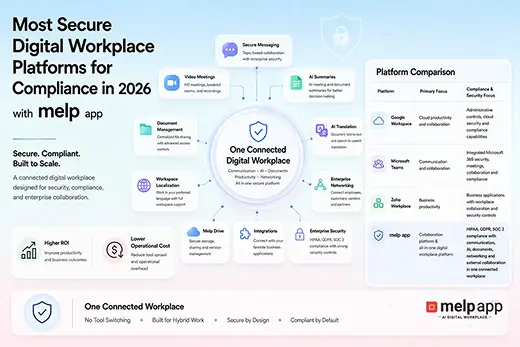
Digital Collaboration means the way people work together online to plan, communicate, and complete tasks without needing to be in the same physical location. It is not only about using online tools, but about how teams coordinate work, share responsibility, and build trust through clear communication and shared visibility, supported by digital communication in the workplace for modern teams. The technology supports these behaviors, but the habits and workflows matter most. Platforms such as Melp App, Microsoft Teams, and Google Workspace enable digital collaboration by providing shared spaces where conversations, documents, and decisions stay connected, helping teams work together effectively regardless of distance.
In a traditional office, collaboration often happened by accident. A hallway conversation cleared the confusion. A quick desk visit solved a problem before it grew. In digital environments, collaboration has to be more intentional. Conversations are written instead of spoken. Decisions are documented instead of remembered. Visibility replaces physical presence.
This shift changes how teams think about their work. Instead of asking who is available right now, people ask where the information lives. Instead of waiting for meetings, they contribute when they are ready. The focus moves from constant interaction to meaningful interaction.
What is a Digital Collaboration Platform?
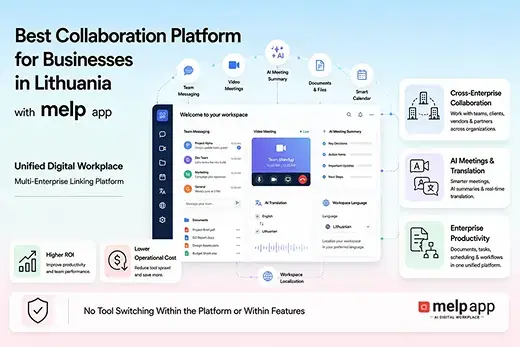
A digital collaboration platform is an online system used by teams to communicate, share documents, manage tasks, and work together efficiently from different locations. It provides a single, organized space where conversations, files, and updates stay connected to ongoing work, making it part of digital workplace software that improves collaboration and productivity. Well-known digital collaboration platforms include Melp App, Microsoft Teams, and Google Workspace, which support modern team workflows. These platforms reduce reliance on emails, improve information visibility, and help teams stay aligned. A digital collaboration platform is essential for remote, hybrid, and in-office teams because it enables clear communication, faster decision-making, and consistent access to shared knowledge at all times.
Why is Digital collaboration Important?
Modern teams are rarely located in one place. Even companies with offices now operate in hybrid setups. Some employees come in twice a week. Others work remotely full-time. Contractors and partners may never visit the office at all.
Trying to run this kind of organization with old collaboration habits leads to frustration. Important updates get missed. Decisions feel unclear. People feel out of the loop even when they are working hard.
Digital Collaboration fills this gap by creating a shared working environment that does not depend on location or schedule, which is essential for remote team collaboration and distributed workforce management. Everyone can see what is happening. Everyone knows where to contribute. Work moves forward without waiting for the next meeting or the next time zone to wake up.
How Communication Changes in Digital Teams
One of the biggest differences between traditional and digital collaboration is how communication happens. In an office, talking is the default. Online, writing becomes central.
This does not mean more messages. It means clearer messages.
Strong digital teams learn to communicate with purpose. They write messages that include context, not just questions, reflecting effective business communication strategies in the workplace. They explain decisions instead of assuming understanding. They respect attention by choosing the right channel for the right kind of conversation.
Short updates replace long status meetings. Shared documents reduce repetitive explanations. Conversations stay attached to the work instead of being scattered across emails. Over time, this creates a record of decisions and progress that anyone can refer back to.
Benefits of Digital Collaboration
When Digital Collaboration works well, teams feel the difference quickly. Work becomes easier to follow, conversations carry more meaning, and progress feels less scattered. Instead of chasing updates or guessing what others are doing, people gain clarity in how they contribute and how decisions move forward. The benefits below reflect what teams experience when online collaboration is practiced with intention rather than habit.
Clearer communication across teams
When collaboration happens digitally, communication becomes more deliberate. Messages are written with context. Files live next to discussions instead of being buried in inboxes. Teams stop relying on hallway conversations and start building shared understanding.
Clear communication also reduces misunderstandings. When decisions are documented, there is less room for conflicting interpretations. New team members can review past conversations and get up to speed faster. Over time, this clarity creates confidence and reduces friction, helping teams improve communication and collaboration in the workplace effectively.
Teams often achieve this level of clarity by using a shared digital workplace like Melp App, where conversations, files, and decisions stay connected in one place. When communication has a clear home, collaboration feels calmer and easier to follow.
Faster decisions without constant meetings
One of the biggest shifts in online teamwork is how decisions happen. Instead of waiting for everyone to be available at the same time, input is gathered asynchronously. People share feedback when they can, and leaders make informed decisions without scheduling another call.
Research supports this shift. According to a McKinsey report on collaboration and productivity, connected teams can improve productivity by up to 25 percent by reducing time spent searching for information and streamlining communication. Source: https://www.mckinsey.com/industries/technology-media-and-telecommunications/our-insights/the-social-economy
This does not mean meetings disappear. It means meetings become purposeful. Decisions are prepared in advance and finalized efficiently, reducing dependency on virtual meetings while improving team productivity.
Teams that work this way often rely on a digital workplace like Melp App, where feedback, context, and decisions stay visible even when people respond at different times. This keeps momentum going and reduces the need to pull everyone into yet another meeting.
Stronger alignment in daily work
Alignment is not about everyone agreeing all the time. It is about everyone understanding the direction and their role in it. Digital Collaboration supports this by keeping goals, priorities, and updates visible.
When teams share roadmaps, task boards, and progress notes in one place, work feels connected. Individuals see how their contributions fit into the bigger picture. This sense of purpose improves motivation and reduces duplicated effort, strengthening team collaboration strategies for high-performing teams.
Better visibility into progress
In traditional setups, progress often lived in status meetings or private trackers. Online collaboration changes that. Work becomes visible by default.
When tasks move through shared workflows, everyone can see what is done, what is delayed, and where help is needed. This visibility encourages accountability without micromanagement. Leaders can support teams based on real data instead of assumptions.
Wondering how much smoother collaboration could feel? Create a Melp App account and find out.
Challenges of Digital Collaboration
Digital Collaboration makes it easier for teams to stay connected, but it also changes how everyday work feels. When conversations move to screens, and work spreads across platforms, small issues can grow quietly. What once got cleared up in a quick hallway chat now depends on clarity, timing, and shared understanding. The challenges below are the ones teams run into most often when working together online, especially when habits have not fully caught up with the way work is done today.
Miscommunication across digital channels
Written communication removes tone and body language. A short message can sound abrupt. A delayed response can feel like avoidance. These misunderstandings are common in digital spaces.
Teams that succeed online learn to write clearly and kindly. They ask for clarification instead of assuming intent. Over time, they develop shared norms that reduce friction and improve trust.
Too many tools create confusion
Digital Collaboration can break down when too many tools are introduced without a clear purpose. Messages end up scattered across platforms, files exist in multiple versions, and people lose time just trying to figure out where a conversation started, highlighting issues caused by tool overload in digital workplaces. Teams that work well online reduce this noise by bringing communication, tasks, and documents into one shared space. An all-in-one digital workplace like Melp App helps solve this problem by giving teams a single place to collaborate, so conversations stay connected to work instead of being spread everywhere. Fewer tools, used intentionally, make collaboration easier to follow and harder to lose.
Building trust without face-to-face contact
Trust grows differently when people are not physically together. Casual conversations are fewer. Misunderstandings can linger longer.
Trust in digital teams is built through reliability and transparency. When people follow through, communicate openly, and share context, trust grows naturally. It is slower, but it is strong.
Use Cases of Digital Collaboration
Digital Collaboration shows its real value in day-to-day work, not in theory. It shapes how teams stay aligned when schedules do not overlap, how different departments move projects forward together, and how organizations work with people outside their walls. The following situations reflect where digital collaboration becomes essential to keeping work organized, fair, and moving without unnecessary friction.
Remote and hybrid teams
Remote and hybrid work depend entirely on digital coordination. Without it, work becomes fragmented. With it, location becomes less important than contribution.
In a hybrid setup, online collaboration levels the playing field. Information shared digitally is accessible to everyone, not just those in the office. This fairness improves engagement and reduces resentment.
Cross-functional projects
Projects that involve marketing, product, sales, and operations can easily fall apart without shared visibility. Digital Collaboration provides a common space where updates, decisions, and timelines live together.
When cross-functional teams collaborate online, handoffs become smoother. Everyone understands dependencies and priorities, improving cross-functional collaboration across teams. Work flows instead of stalling.
Working with clients and partners
External collaboration has its own challenges. Expectations must be clear. Communication must be documented. Digital spaces allow teams to work transparently with clients and partners without endless email threads.
A familiar situation is onboarding a new client. Instead of sending scattered emails, the team shares timelines, files, and updates in one shared environment. Clients feel informed and confident. Teams spend less time chasing approvals.
Why Digital Collaboration Is Becoming a Core Workplace Skill
Technical skills matter, but collaboration skills increasingly define success. Knowing how to communicate clearly online, manage work asynchronously, and build trust digitally is no longer optional, as it reflects skills required in a digital workplace environment.
New hires are often evaluated on how well they collaborate, not just what they know. Leaders are expected to guide teams through digital workflows with empathy and clarity. Even individual contributors benefit when they can articulate ideas well in writing and manage their time independently.
Digital Collaboration is also shaping career growth. People who can work effectively across locations and functions become valuable connectors. They help teams move faster and work smarter.
Why Teams Choose Melp App for Digital Collaboration
Teams choose the Melp App because it removes the daily friction that slows collaboration. Work no longer feels scattered across conversations, files, and meeting notes. People know where to communicate, where to check updates, and where decisions are captured. This clarity reduces repeated questions and helps everyone stay focused on their actual work instead of managing information.
Another reason teams stick with the Melp App is the way it supports different work styles without creating pressure. Some conversations need quick back-and-forth, while others benefit from time to think and respond. Work moves forward even when schedules do not overlap. Meetings feel more purposeful, follow-ups are clearer, and long discussions stay organized instead of overwhelming. The result is steady progress without constant interruptions.
Melp App also makes collaboration outside the organization feel simple and dependable. Teams can work closely with clients, partners, or external contributors without losing structure or control. Communication stays transparent, shared work remains easy to access, and expectations stay aligned. Over time, this leads to stronger trust, fewer delays, and better working relationships.
The impact teams notice most:
- Clear ownership of conversations and decisions
- Less time spent searching for information
- Better alignment across roles and departments
- Smoother coordination with external collaborators
- Fewer misunderstandings in daily communication
- More productive use of meeting time
- A calmer, more confident collaboration experience
Key Takeaways
- Digital Collaboration is now the everyday rhythm of work, shaped by remote, hybrid, and global teams.
- Online collaboration works best when communication is intentional, written with context, and easy to revisit.
- Modern teams rely less on constant meetings and more on shared visibility and asynchronous input.
- Clear documentation of decisions helps reduce misunderstandings and speeds up alignment.
- When conversations, files, and updates live together, work feels easier to follow and manage.
- Productivity improves when teams spend less time searching for information and more time acting on it.
- Trust in digital teams grows through consistency, transparency, and reliable follow-through.
- Collaboration becomes fairer when everyone has access to the same information, regardless of location.
- Teams often turn to digital workplaces like Melp App to keep communication, decisions, and work connected in one clear space.
- Using a platform such as Melp App helps teams reduce daily friction and collaborate with greater focus and confidence.
Conclusion
Digital Collaboration is no longer a special skill or a temporary solution. It is how modern teams function every day. When done well, it brings clarity, flexibility, and focus to work that once felt scattered and stressful.
The most effective teams do not chase every new tool or trend. They focus on how they communicate, how they share information, and how they support each other. They build habits that make collaboration feel natural, even when they are not in the same room.
Understanding digital collaboration gives you more than productivity tips. It gives you a clearer way to work with others in a world where location matters less than connection. When teams align around this mindset, work becomes more intentional, more transparent, and far more human.
Get started with confidence. Sign up for Melp App using your work email, personal email, or continue with Google or Microsoft. Your collaboration stays protected with HIPAA, GDPR, and SOC 2–aligned security, so your team can focus on work, not risk.