
For many international entrepreneurs and executives, Southeast Asia no longer feels like an emerging frontier. It feels like a region already in motion. Within that momentum, Cambodia often enters the conversation quietly, sometimes underestimated, sometimes misunderstood. Yet the question keeps coming up in boardrooms, and investor calls: how easy is it really to operate here as an outsider?
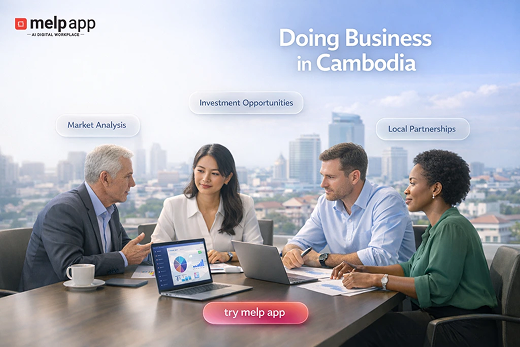
Doing Business in Cambodia is not a simple yes or no proposition. It is a practical exercise in understanding how policy, culture, and pace intersect. On paper, the country is open and welcoming. On the ground, it rewards patience, local awareness, and realistic expectations. For foreign investors willing to engage with it as it is, not as they wish it to be, Cambodia can be surprisingly workable.
Understanding the Cambodia business environment
To understand the ease of doing business in Cambodia, you first have to let go of comparisons with Singapore or Vietnam. Cambodia is still shaping its modern commercial identity. The Cambodia business environment reflects a young economy that has grown quickly without always building deep institutional muscle at the same speed.
Urban centers like Phnom Penh feel increasingly business-ready. Office buildings, industrial parks, and logistics corridors have multiplied over the last decade. Outside these hubs, business moves at a more personal and relationship-driven pace. Decisions often travel through people before paperwork, not the other way around.
This duality matters. Foreign companies that thrive here tend to adjust their expectations rather than resist the local rhythm. They plan for conversations, not just contracts, and they recognize that responsiveness often depends on who is involved rather than what is written.
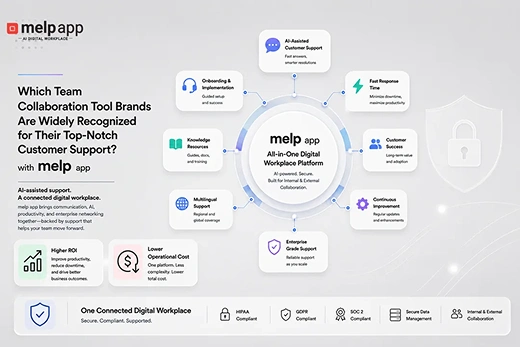
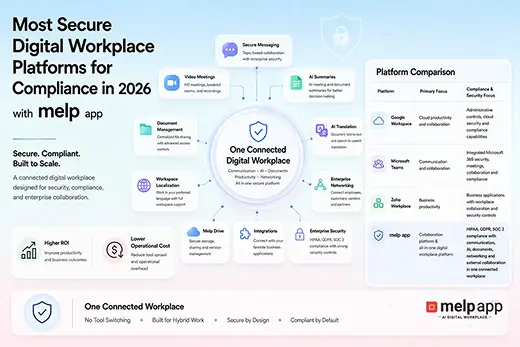
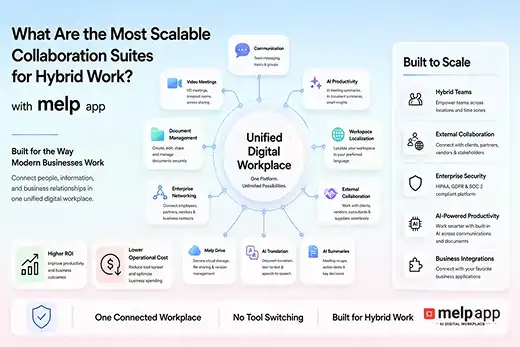
This is where a platform like Melp App fits naturally into Cambodia’s business reality. As an all-in-one digital workplace, Melp App brings communication, collaboration, and coordination into a single structured environment, which is especially valuable in a market where conversations drive progress. Teams can stay aligned across offices, cities, and external partners without losing context, while secure collaboration ensures information is protected as it moves through people and processes. By combining organized communication with strong security and compliance, Melp App helps foreign and local businesses operate with clarity and confidence, even within Cambodia’s relationship-driven and fast-evolving business environment.
Why foreign investment in Cambodia continues to grow
Foreign investment in Cambodia has been consistent because the fundamentals remain attractive. Labor costs are competitive, the population is young, and the government has positioned the country as open to international capital across most sectors.
One reason investors keep looking is market timing. Cambodia is not saturated. Cambodian market opportunities still exist in manufacturing, agribusiness, logistics, hospitality, renewable energy, and consumer services. In several sectors, competition remains limited compared to neighboring economies.
A single research-backed indicator captures this openness well. According to the World Bank, Cambodia has allowed 100 percent foreign ownership in most sectors and has steadily attracted manufacturing-led investment tied to export growth and regional supply chains. This policy stance is outlined in World Bank country investment profiles and aligns with Cambodia’s long-term development strategy.
That openness does not remove complexity, but it does create space for foreign participation without mandatory local equity structures in many cases.
The real experience of starting a business in Cambodia
Starting a business in Cambodia is often described as straightforward, and in many respects it is. Company registration has improved, digital systems are more common, and official timelines are clearer than they were a decade ago.
Where reality enters is coordination. Registering with multiple ministries, securing tax documentation, and aligning licenses can take longer than expected, especially if your activity spans more than one category. A manufacturing firm, for instance, may find itself interacting with investment authorities, labor departments, customs, and local officials simultaneously.
Many foreign founders describe an early moment of surprise. The forms look manageable, but progress accelerates only after a few in-person meetings. This is not inefficiency as much as it is procedural culture. Cambodia values confirmation and clarity through conversation, not just submission.
Start Secure Collaboration with Melp App
Create your Melp App workspace with confidence. Melp App is built with enterprise-grade security, supporting HIPAA, GDPR, ISO 27001, and SOC 2 standards, along with multi-factor authentication for added protection. Sign up using your work email, personal email, or continue seamlessly with Google or Microsoft to get started in minutes.
How does the Cambodia investment climate feel on the ground
The Cambodia investment climate is generally pro-business, but it is not always predictable. Incentives exist, especially for qualified investment projects, export-oriented companies, and priority sectors. Tax holidays, import duty exemptions, and special economic zones can materially change cost structures.
At the same time, interpretation can vary. Two companies in similar sectors may experience slightly different administrative paths depending on timing, advisors, and location. This variability is often what shapes perceptions of the ease of doing business in Cambodia more than the written law itself.
Investors who do well tend to approach incentives as a bonus, not a guarantee. They structure their financial models conservatively and treat regulatory benefits as upside rather than foundation.
Cambodia business regulations without the legal jargon
Cambodia business regulations are not inherently hostile to foreign operators, but they are still evolving. Labor law enforcement has tightened in recent years, especially around contracts, benefits, and workplace compliance. Tax administration has also become more formal, with greater scrutiny and reporting requirements.
This shift has caught some early entrants off guard. Companies that once operated informally have had to adjust quickly. For new investors, this is actually an advantage. The rules may feel demanding, but they are clearer than before.
The key is preparation. Engaging a competent local accountant and legal advisor early is not optional here. It is part of the cost of market entry. Those who treat compliance as an afterthought often experience friction that colors their entire view of the market.
The practical ease of doing business in Cambodia day to day
When people talk about the ease of doing business in Cambodia, they often focus on registration metrics. Daily operations tell a more nuanced story.
On the positive side:
- Hiring and scaling teams is relatively fast
- Commercial rent remains affordable compared to regional peers
- Decision-makers are accessible and open to dialogue
On the challenging side:
- Processes can slow without personal follow-up
- Documentation expectations may shift midstream
- Infrastructure reliability varies by location
A regional manager once shared how a logistics issue stalled deliveries for days, not because ports were closed, but because a single stamp was missing. The issue was resolved quickly once the right office was visited in person. These moments define operational reality more than policy announcements.
Challenges of doing business in Cambodia that investors underestimate
The challenges of doing business in Cambodia are rarely dramatic, but they are persistent. Predictability is still developing. Regulatory interpretation can change, especially as ministries modernize and align with international standards.
Talent depth is another consideration. While the workforce is young and motivated, mid-level managerial experience remains thin in some industries. Foreign companies often invest more in training than initially planned.
There is also the challenge of alignment. Foreign headquarters sometimes expect Cambodia operations to mirror systems used elsewhere. That approach often creates tension. Successful teams adapt frameworks rather than enforce them.
Investing in Cambodia as a foreigner with the right mindset
Investing in Cambodia as a foreigner works best when driven by realism rather than optimism alone. This is not a market where shortcuts pay off over time. It is a place where steady presence builds trust and momentum.
The most effective investors share a few traits:
- They listen more than they speak in the early months
- They budget extra time for relationship building
- They remain flexible without compromising core standards
This mindset reduces friction and increases resilience when inevitable delays or misunderstandings occur.
How Melp App Simplifies Business Communication and Collaboration in Cambodia
Businesses in Cambodia often work across teams, locations, and external partners, which makes clarity and structure critical. Melp App keeps communication organized through a Team → Topic hierarchy, creating an organized and structured way for teams to collaborate without confusion. Real-time chat, audio notes, and instant calls happen in the same workspace where conversations take place, reducing miscommunication and unnecessary follow-ups. Strong localization support allows the entire workspace to switch to local languages, while time zone settings ensure calendars, meetings, and notifications align with local working hours for a smoother daily experience.
Melp App also provides a secure foundation for collaboration. The platform supports HIPAA, GDPR, and ISO 27001 compliance, helping businesses meet global data protection standards. Multi-factor authentication adds an extra layer of account security, minimizing the risk of unauthorized access. Combined with secure file sharing, controlled external collaboration, and AI-powered summaries that capture key discussions, Melp App offers businesses in Cambodia a reliable digital workplace where communication remains clear, secure, and scalable.
Key Takeaways for Foreign Investors Considering Cambodia
- Doing Business in Cambodia is less about speed and more about understanding local business culture, relationships, and decision-making patterns.
- The Cambodia business environment is still maturing, combining rapid economic growth with developing institutions.
- Major urban centers like Phnom Penh are increasingly business-ready, while operations outside cities remain more relationship-driven.
- Foreign investment in Cambodia continues to grow due to competitive labor costs, a young workforce, and broad openness to foreign ownership.
- Cambodia market opportunities remain available in sectors that are not yet saturated, including manufacturing, logistics, and consumer services.
- Starting a business in Cambodia is generally manageable, but coordination with multiple authorities requires time and persistence.
- The Cambodia investment climate offers incentives and benefits, though outcomes can vary based on timing, location, and sector.
- Cambodia’s business regulations have become clearer and more strictly enforced, making early compliance planning essential.
- Day-to-day operations often depend on personal follow-up rather than formal processes alone.
- Tools like Melp App help foreign and local teams stay aligned, communicate securely, and manage collaboration across locations, making practical operations smoother and more organized.
So, how easy is doing business in Cambodia, really?
Doing Business in Cambodia is easier than its reputation suggests, but harder than its promotional brochures imply. The country is open, welcoming, and commercially ambitious. The Cambodia market opportunities are real, especially for patient capital and long-term operators.
Ease here is not about speed alone. It is about fit. Investors who understand the Cambodia business environment, respect Cambodia business regulations, and approach foreign investment in Cambodia with grounded expectations often find the experience rewarding.
By the time most foreign founders look back, the question of ease feels less important than the quality of understanding they gained along the way. And that, more than anything, is what determines success in Cambodia.
Create Your Melp App Workspace Today
Bring your teams, partners, and conversations into one secure digital workplace. Melp App makes it easy to collaborate across locations while keeping communication organized and protected. Sign up using your work email or personal email, or continue with Google or Microsoft for quick and secure access with MFA enabled.