
In modern workplaces, meetings aren’t just about talking. They’re about moving projects forward. The growing role of AI in video conferencing is helping businesses reduce repetitive work, improve communication clarity, and make meetings more outcome-driven. The rise of AI-powered video conferencing apps has completely reshaped that experience. What used to be a simple online meeting is now a smart, outcome-driven collaboration space where decisions are clearer, follow-ups happen automatically, and time isn’t wasted repeating discussions.
As organizations continue shifting toward remote and hybrid collaboration, AI-enabled video conferencing platforms are helping teams automate follow-ups, simplify coordination, and improve productivity without adding extra manual work. Today, we’ll look at three platforms leading this smarter shift: Melp AI Digital Workplace, Zoom, and Zoho Meeting. Each is helping teams work better, but one of them, Melp, has quietly turned the idea of a meeting into something much more powerful: a connected digital workplace.
Melp AI Digital Workplace: Meetings That Turn into Momentum
If most video conferencing apps help teams talk, Melp AI Digital Workplace helps teams achieve. It’s not just a meeting tool. It’s a unified digital workplace, AI-driven ecosystem where calls, chats, documents, and decisions all live together. The difference becomes obvious the moment a meeting ends. Instead of recordings collecting dust, Melp automatically distills key ideas, action items, and takeaways into concise summaries.
Everyone receives those summaries instantly, meaning no one ever leaves wondering, “What’s next?” That shift sounds small, but the business impact is significant. Projects move faster, decisions stay visible, and managers spend less time chasing updates. A 2024 Forbes report found that AI meeting tools can boost post-meeting productivity by over 40%, and Melp’s design shows why. Meetings no longer end with uncertainty because every important outcome is captured and shared.
Clarity Becomes Culture
Melp structures team communication around topics instead of noise. Rather than relying on long, messy chat threads, teams get focused spaces like Web Team, Campaign Updates, or HR Policies that keep every conversation tied to a clear objective. When people can find the information they need in seconds, decisions happen faster and misunderstandings become less common. This organized approach improves collaboration without adding complexity.
The result is more than tidy communication. It creates a culture where clarity becomes part of everyday work. Teams spend less time searching for context and more time making progress through better team collaboration. Over time, that consistency saves hours every week while keeping everyone aligned around shared goals.
Beyond Meetings, a True Digital Workplace
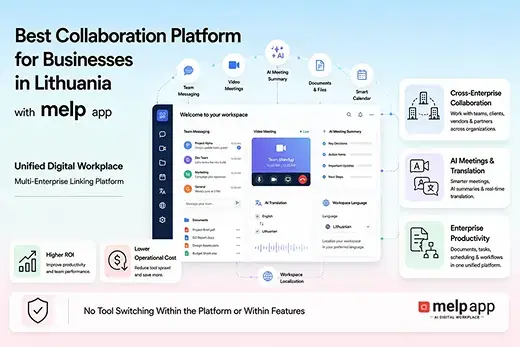
Melp’s value extends far beyond the meeting itself. Teams can discuss a campaign, edit the related document, update the project sheet, and share it with external collaborators without leaving the platform. This seamless environment removes the friction of switching between multiple tools throughout the workday. Every conversation, file, and meeting summary stays connected in one place, creating a shared source of truth for the organization.
Global teams benefit just as much because Melp’s built-in intelligence supports communication across languages, time zones, and departments. Information remains organized and accessible, regardless of where people work. When technology removes these everyday barriers, collaboration feels more natural and productive. Teams stay focused on outcomes instead of managing disconnected workflows.
The Real Impact
Melp doesn’t just host meetings. It transforms them into measurable outcomes. Instead of becoming another application on your desktop, it serves as the operational center of the workday where every chat, call, and decision contributes to meaningful progress. That makes Melp more than a video conferencing app. It becomes a complete AI-powered digital workplace that keeps communication and execution connected.
This connected approach is one reason many growing businesses view Melp as the future of smart collaboration. By keeping conversations, decisions, and execution together, teams maintain momentum long after the meeting ends. Rather than treating meetings as isolated events, Melp turns them into the starting point for continuous progress.
Zoom: Connecting Teams Through Familiar Simplicity
Zoom remains one of the most recognized names in the world of video conferencing. It’s the app that helped millions of people stay connected, and even today, its simplicity and reliability make it a natural choice for teams of all sizes. What continues to strengthen Zoom is the steady integration of AI features that make meetings less manual and more meaningful. These improvements help teams stay productive without changing the familiar experience users already know. Organizations evaluating Zoom alongside other platforms also compare Zoom alternatives that extend beyond video meetings into complete workplace collaboration.
From Meetings to Action, Without the Extra Work
Zoom’s AI tools help teams reduce the time spent revisiting conversations after meetings end. Smart recaps and highlights make it easier for everyone to stay aligned without scrolling through hours of recordings. Sales teams can move directly from a client meeting to updating their pipeline, while product teams can quickly identify next steps after a sprint review. The result is fewer delays, faster follow-ups, and more consistent execution across projects.
Keeping the Human Connection Strong
Despite its growing AI capabilities, Zoom’s greatest strength remains its ability to support natural conversations. Its high-quality audio and video create a meeting experience that feels personal and engaging, helping remote teams build trust through face-to-face communication. Breakout sessions also make large meetings more productive by allowing smaller groups to collaborate independently before returning to the main discussion. This balance between simplicity and functionality helps teams communicate without unnecessary distractions.
The Bottom Line
Zoom remains a dependable choice for organizations that value stability, familiarity, and strong communication. Its AI enhancements improve the meeting experience while reducing some of the manual work that follows. However, unlike Melp, Zoom primarily focuses on making meetings better rather than managing the work that continues afterward. It keeps people connected, but it is not designed to serve as a complete digital workplace.
Tired of meetings that end without direction?
Tired of meetings that end without direction? Learn how AI meeting summaries help teams turn conversations into action. Melp AI Digital Workplace turns every conversation into clear next steps, organized summaries, and measurable results, all within one connected platform. Instead of simply connecting people like Zoom, Melp helps teams move work forward with greater clarity and accountability. Sign up for Melp today and experience how smart meetings create real business outcomes.
Zoho Meeting: Simple, Smart, and Seamlessly Connected
Zoho Meeting has built its reputation around making collaboration simple. It is designed for growing teams that need reliable online meetings without the complexity or cost often associated with enterprise-grade platforms. Its biggest advantage comes from how naturally it connects with the broader Zoho ecosystem. This allows businesses to keep meetings closely tied to the tools they already use every day.
Making Simplicity Strategic
Every Zoho Meeting session is designed to be easy to schedule, easy to join, and easy to manage. That simplicity reduces the learning curve for organizations transitioning to digital collaboration and helps employees feel comfortable using the platform from the start. When technology stays out of the way, conversations become more productive and decisions happen with greater confidence. A straightforward meeting experience often leads to faster execution across teams.
The Power of Integration
For organizations already using Zoho products, Zoho Meeting becomes a natural extension of their existing workflow. Teams can host a client meeting and connect the outcomes directly to CRM records or project updates without unnecessary complexity. While it may not offer the same level of AI collaboration as Melp, it provides a dependable environment for growing businesses.. That combination makes it an appealing choice for growing businesses looking for simplicity and consistency.
If Zoho keeps your meetings simple, Melp makes them smarter. Beyond video calls, Melp brings discussions, documents, decisions, and collaboration into one connected digital workspace. Every meeting becomes part of an organized workflow instead of a standalone conversation. Try Melp AI Digital Workplace now and see how AI transforms meetings into measurable progress.
The Real Comparison: What Happens After the Meeting
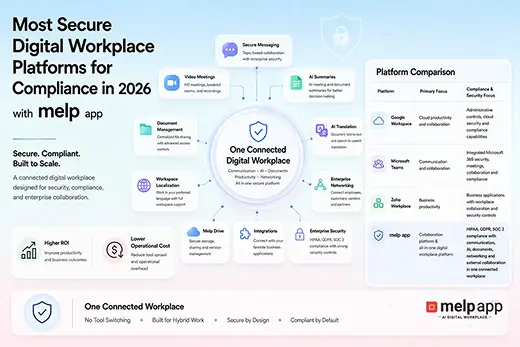
When you strip away the buzzwords, the true test of a video conferencing app isn’t what happens during the call. It’s what happens after the meeting ends. Melp AI Digital Workplace keeps momentum alive by turning discussions into organized summaries, structured conversations, and connected workflows. Zoom focuses on keeping communication natural and straightforward with AI features that simplify follow-ups, while Zoho Meeting delivers a reliable experience that integrates smoothly with its broader business ecosystem.
The difference comes down to how each platform supports work beyond the meeting. Melp is where meetings turn into work through an all-in-one productivity platform that keeps conversations, files, and decisions connected.. Zoom is where meetings stay personal through familiar, high-quality communication. Zoho Meeting is where meetings stay simple, offering an uncomplicated experience for businesses that value stability and ease of use.
Choosing What Works for You
If your organization depends on speed, structure, and seamless collaboration, Melp stands out as the strongest choice. It doesn’t simply help teams communicate. It creates a connected environment where every call, chat, and document becomes part of a unified workflow. That approach reduces context switching and helps teams move from discussion to execution more efficiently.
Zoom and Zoho Meeting each bring valuable strengths to different types of organizations. Zoom is widely trusted for its familiarity and dependable communication experience, while Zoho Meeting appeals to businesses looking for simplicity and strong ecosystem integration. Melp’s broader digital workplace approach aligns with the way many modern teams manage communication, collaboration, and productivity in a single platform. As the future of work continues to combine conversations with execution, organizations using connected platforms are better positioned to turn meetings into measurable results.
A Real Scenario: When Meetings Actually Move Work Forward
Before switching to Melp, a distributed marketing team spent hours every Monday in planning meetings. Everyone joined on time, ideas flowed freely, and discussions were productive, but by the middle of the week confusion began to appear. Action items became unclear, recordings piled up, and follow-up conversations often led to another round of meetings. The team was communicating frequently, yet progress felt slower than expected.
After adopting Melp, every meeting ended with an AI-generated summary that clearly organized decisions, assigned tasks, and highlighted the next steps. Writers updated campaign documents directly within the workspace, while designers picked up project briefs from the same discussion thread without searching through emails or chat history. By the next meeting, everyone already understood what had been completed and what still required attention because all updates remained connected in one place. Meeting time was reduced, projects moved forward more quickly, and the team finally felt that every discussion was producing meaningful progress instead of unnecessary repetition.
Final Thoughts: Smarter Meetings, Real Impact
The best video conferencing apps are not defined by the number of features they include. They are defined by how effectively they help teams stay focused, productive, and aligned. Melp AI Digital Workplace leads that transformation by turning meetings into meaningful progress, while Zoom continues to connect people through dependable communication and Zoho Meeting delivers reliable simplicity for growing businesses. Each platform offers a different approach, giving organizations the flexibility to choose what fits their collaboration style. Organizations looking beyond traditional meeting software should also explore how video conferencing software can improve collaboration, productivity, and business outcomes.
One thing is becoming increasingly clear as AI continues to evolve. It is not replacing meetings. It is making them more productive, more organized, and more valuable. Platforms that combine communication with meaningful execution are helping redefine modern collaboration, and Melp is among those leading that shift toward smarter teamwork.
Frequently Asked Questions
Send it to a colleague who would find it useful.