Communication is the heartbeat of every modern organization. Teams share ideas, customers reach out for help, and partners exchange sensitive information. Yet the same channels that keep a business running can also become the easiest path for cybercriminals. This is why Communication Security has become a core priority for companies of every size, especially with growing risks highlighted in collaboration security and data privacy requirements.
From email to chat systems to video meetings, every digital interaction carries potential risk. The goal is not to limit communication, but to make it safe, trusted, and well-protected, which is essential for secure collaboration tools that protect business communication. With the right practices in place, any organization can safeguard its data without slowing down the pace of work.
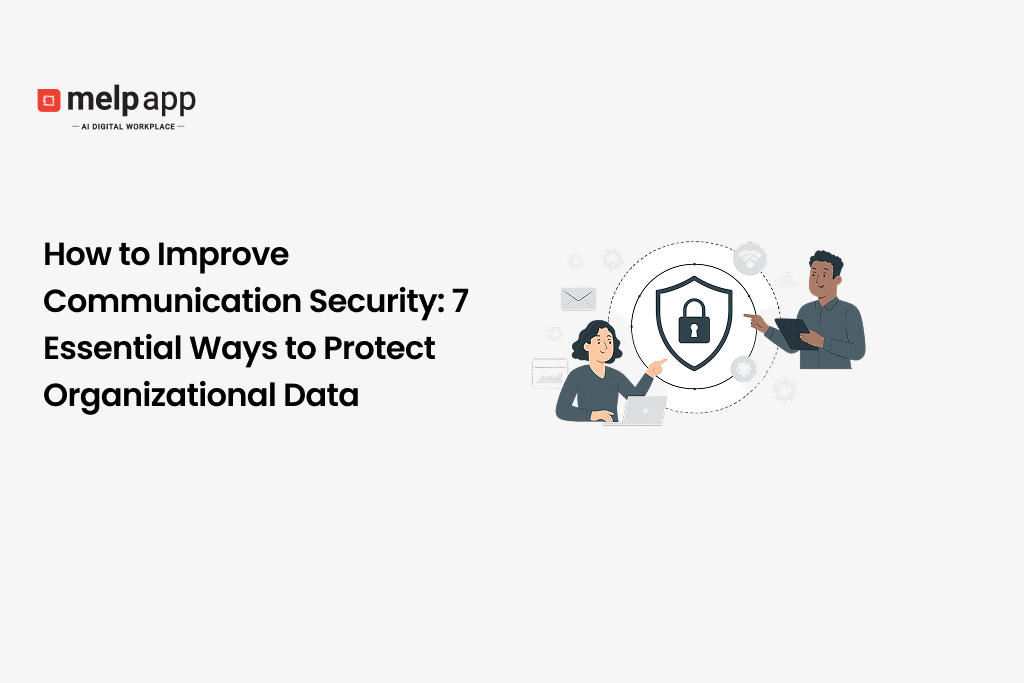
In this guide, you will learn seven practical and essential ways to improve Communication Security and give your organization the protection it needs today.
What Is Communication Security?
Communication security refers to the protection of information as it moves between people, devices, or digital platforms, ensuring that messages and files stay private, accurate, and safe from unauthorized access. Secure collaboration tools such as Melp App support this effort by giving teams a protected space to communicate and share documents without disrupting workflow. Overall, communication security relies on encryption, access controls, and trusted communication channels, similar to practices used in encrypted messaging in modern collaboration platforms, so organizations can exchange information confidently and reduce the risk of data exposure.
Why Communication Security Matters More Than Ever
The biggest cybersecurity threats today often begin with a simple message. A phishing email. A fraudulent file share. An unauthorized chat request. Once attackers slip into communication channels, they can impersonate employees, steal credentials, or move deeper into company systems.
A major study by IBM Security found that communication-based attacks remain one of the most common entry points for data breaches. According to the 2024 IBM Cost of a Data Breach Report, phishing continues to be one of the top initial attack vectors that lead to data loss.
This research highlights a clear truth. Protecting communication channels is not optional, especially when considering enterprise messaging and secure communication systems. It is now one of the most important parts of a strong cybersecurity strategy.
What are the 7 Essential Ways to Protect Organizational Data?
Protecting organizational data has become a core responsibility for every modern workplace, especially as communication channels expand and cyber risks grow. Companies need practical steps that strengthen daily operations without slowing teams down, while also addressing risks discussed in the top collaboration challenges in the workplace. Below are the seven essential ways that help organizations build stronger, safer communication and protect sensitive information at every level.
1. Encrypt Every Form of Communication
Encryption should be the starting point of Communication Security, ensuring data stays protected, as explained in how to compare encrypted messaging capabilities across platforms. It ensures that even if a message or file is intercepted, the content remains unreadable to outsiders.
There are two major types of encryption that organizations should use:
A. End-to-end encryption
This method protects the information from the moment a message is sent until the moment it is opened. Only the sender and the receiver have access to the content.
B. Encryption at rest and in transit
This protects data stored on company servers and data moving between devices.
Businesses that rely on emails, team chat apps, or cloud storage should confirm that their tools support strong encryption protocols. This one step alone can significantly reduce the impact of a potential breach.
Ready to Secure Your Team’s Communication?
If your organization wants safer conversations, protected file sharing, and a secure space to collaborate with confidence, this is the right time to get started. Melp provides your team with a trusted, organized, and compliance-ready workspace where every message and meeting remains protected.
Create your Melp account today and experience secure collaboration built for modern teams.
2. Strengthen Identity and Access Control
Communication tools often connect to sensitive information. If the wrong person accesses a mail account or a collaboration platform, they can collect large amounts of data in minutes.
Here are three ways to reinforce identity security:
Use multi-factor authentication
This requires an additional verification step, such as a code sent to a mobile device. Even if attackers steal a password, they cannot log in.
Limit access based on job roles
Employees should only be able to view data that is directly relevant to their work. This reduces damage if an account is compromised.
Set strong password rules
Short or reused passwords are easy to break. Password managers can make it easier for teams to follow stronger practices.
When identity controls are strong, communication channels become far less vulnerable to unauthorized entry, reducing risks linked to lack of multi-factor authentication in collaboration tools.
3. Train Employees to Recognize Threats
Human error is still one of the biggest cybersecurity risks. Employees who are unaware of phishing tactics or suspicious activity may unintentionally help attackers slip into communication platforms.
Training does not need to feel technical or overwhelming. The best training programs focus on simple, real-world examples like:
- Emails that imitate known brands
- Urgent requests for passwords or financial information
- Unexpected file attachments
- Messages asking users to bypass normal procedures
Interactive workshops, short monthly reminders, and simulated phishing tests can build awareness and confidence.
When employees know what to look for, they become the strongest line of defense in Communication Security, improving overall workplace communication awareness and safety practices.
4. Protect File Sharing and Cloud Collaboration
Organizations share documents, spreadsheets, designs, and customer data every day. But file sharing is one of the easiest ways for an attacker to deliver malicious content or steal sensitive information.
To make file sharing safer:
- Use cloud platforms that offer secure links instead of raw file attachments
- Restrict downloads for sensitive documents
- Enable file scanning for malware before access is granted
- Avoid public sharing links for confidential material
Modern cloud apps offer excellent collaboration features, but only when security controls are configured properly. Clear sharing rules reduce the risk of accidental exposure, especially when using secure file sharing practices in the workplace.
5. Secure Your Communication Devices
Laptops, smartphones, and tablets are now communication hubs. If an employee’s device is lost, stolen, or infected with malware, attackers may gain access to company information instantly.
Companies should adopt the following measures:
Mobile device management
This allows the IT team to secure, monitor, and remotely wipe devices when needed.
Regular software updates
Outdated systems often contain exploitable weaknesses. Automatic updates ensure devices remain safe.
Safe use policies
Employees should avoid using unsecured public Wi Fi networks for sensitive communication unless a trusted VPN is enabled.
Device security is often overlooked, but it is one of the most important pillars of Communication Security, especially in modern setups like digital workplace environments and remote teams.
6. Monitor and Audit Communication Channels
Strong security does not end after tools are installed. Organizations must continuously monitor activity across their communication platforms.
Effective monitoring includes:
- Tracking login attempts
- Flagging unusual message patterns
- Reviewing shared links and attachments
- Analyzing user behavior for possible risks
Audit logs help IT teams detect problems early and improve visibility through audit trails in collaboration platforms. If a breach attempt occurs, visibility allows faster response and minimizes damage.
Monitoring tools today are highly intelligent and can detect suspicious behavior before it becomes a major threat.
7. Implement Clear Internal Communication Policies
Technology cannot solve everything. Employees need clear guidance on how to communicate securely.
A good internal communication policy should explain:
- How to classify and label sensitive information
- Which communication tools are approved for business use
- How to report suspicious activity
- How to handle customer or partner data during conversations
- What types of information should never be sent over email or chat?
Policies work best when they are simple, practical, and easy for everyone to follow.
A consistent approach across departments ensures that Communication Security remains strong at every level of the organization, supported by internal communication strategies for better team coordination
How Melp App Helps Strengthen Communication Security
Melp App helps strengthen communication security by keeping work conversations neatly separated and easy to manage. When discussions stay organized within the right teams and workstreams, sensitive information is far less likely to appear where it does not belong. People can share updates, files, and long explanations without worrying about accidental exposure, since everything moves through a controlled and well-structured environment. This keeps daily communication clean, focused, and safer for everyone involved.
Melp also supports secure teamwork when meetings take place. Clear audio, stable connections, and smooth interaction help teams exchange ideas without the usual stress of technical interruptions or privacy concerns. Whether colleagues are working in the same office or collaborating from different countries, the platform makes it easier to include outside partners while still keeping internal information protected. This creates a safer space for cross-organization collaboration without loosening security.
A major part of Melp’s strength comes from its deeper security foundations. The use of MFA adds a firm layer of identity protection, and adherence to standards such as HIPAA, GDPR, and ISO 27001 helps ensure that data is handled responsibly. These safeguards give organizations confidence that their communication, shared documents, and external collaborations stay protected and compliant with global requirements.
Key Takeaways
- Strong communication security protects sensitive information as it moves across emails, chats, devices, and meetings.
- Encryption is one of the most effective ways to keep messages and files unreadable to unauthorized users.
- Controlling who has access to what information greatly reduces the chance of internal or external misuse.
- Well-trained employees are often the first line of defense against phishing, fake links, and social engineering.
- Safe file sharing and responsible use of cloud tools prevent accidental data exposure.
- Securing laptops, phones, and tablets is essential because compromised devices can open the door to larger attacks.
- Continuous monitoring helps organizations spot unusual activity before it turns into a serious breach.
- Clear communication rules guide employees on what to share, how to share it, and when to stay cautious.
- Melp App supports safer communication by keeping conversations organized, protecting access, and following strict compliance standards.
- Investing in communication security builds trust, strengthens teamwork, and keeps organizational data safe in the long run.
Final Thoughts
Improving Communication Security is not a one-time project. It is an ongoing effort that protects every part of the business. When communication channels are secure, the entire organization becomes stronger, more resilient, and better prepared for the unexpected.
The seven methods shared above are approachable for companies of any size. Whether you run a fast-growing startup or a mature enterprise, these steps provide a clear path toward safer communication.
Cyber threats may continue to evolve, but with a proactive strategy anchored in encryption, identity protection, employee awareness, and smart policies, your organization can stay several steps ahead.
When communication is secure, trust grows, teams work with confidence, and your data stays where it belongs. This is the real value of investing in Communication Security today. Don’t leave your data exposed. Move your team to Melp and secure your communication from day one.