

MelpApp: A Game-Changer for Team Communication and Collaboration
In today’s fast-paced business world, effective communication and collaboration are essential for success

In today’s fast-paced business world, effective communication and collaboration are essential for success
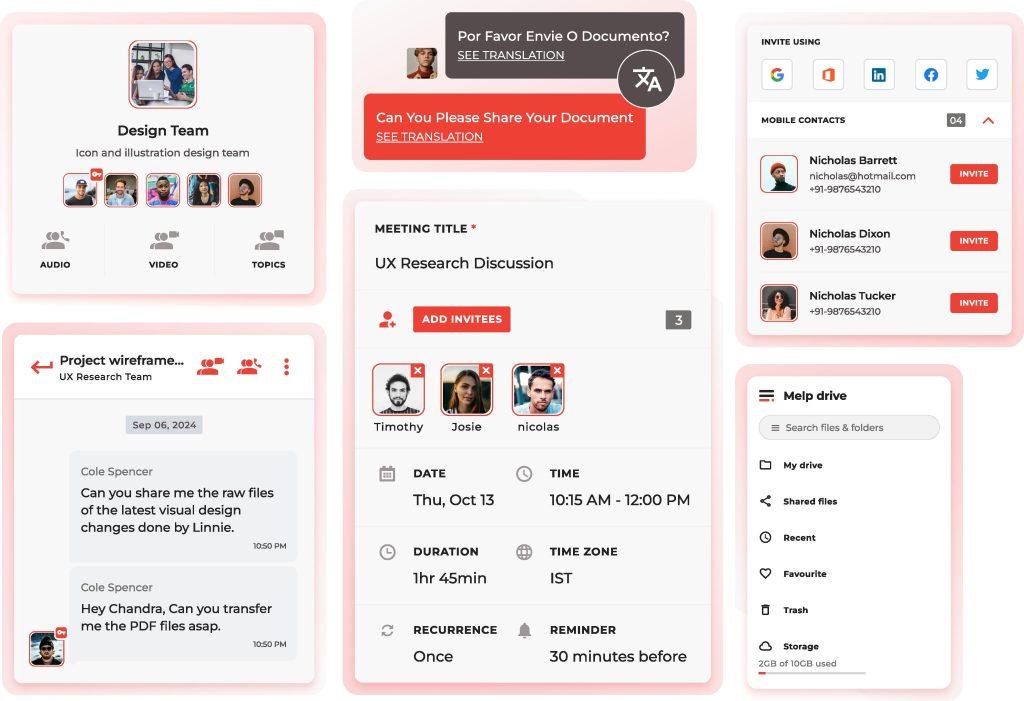
Let me ask you something. Are you a business owner? Are you a team lead? Are you a member of a team? If you are any of these, let me directly put it

To add featured content go to Theme Options -> Homepage (Featured) and turn the switch on then add the content you want for each section.
The New Normal of Work: Where Distance Doesn’t Define Collaboration There was a time when collaboration meant shared conference rooms, morning huddles, and office chatter echoing down hallways. That world feels distant now. The definition of teamwork has quietly shifted — from being together physically to being connected purposefully. Across industries, people start their days
Introduction Every thriving organization has one thing in common—people who know how to bring out the best in each other. Recognizing and developing Strengths in the Workplace isn’t just a management trend; it’s a shift in how success is built. When team members understand what they naturally do well and combine those abilities, the result
Introduction Walk into any successful company today and you’ll notice something right away — people aren’t just working side by side; they’re working together. The best organizations have realized that real progress doesn’t happen in silos. It happens when minds meet, ideas collide, and goals align. That’s what true collaboration looks like — not just

Introduction: The City That Never Sleeps, But Often Stumbles on Its Tools It’s 8 a.m. in New York. Coffee cups clink, startup founders type at full speed, and yet, half the morning disappears before real work even begins. Everyone’s chasing updates buried in emails, pinged across apps, or lost in endless meeting links. If there’s

Introduction Across Europe, the idea of “work” has outgrown office walls. Teams no longer gather around the same table every morning. Today, designers in Madrid brainstorm with marketers in Berlin, while developers in Warsaw fine-tune projects for clients in London. It sounds exciting — and it is — but it’s also becoming increasingly complex. What

Over the last few years, the way we work has shifted completely. Meetings aren’t tied to conference rooms anymore — they happen across screens, time zones, and sometimes continents. Zoom has played a huge part in this evolution. But as teams grow and work gets more layered, many businesses have started realizing that basic video

Modern workplaces run on connection. Whether your team is across the hall or across the globe, communication tools have become the backbone of how work gets done. For years, Slack set the standard for real-time team chat — but as organizations expanded, many discovered that quick messages alone weren’t enough. That’s where the new generation

If you’ve ever gone down the rabbit hole of comparing Virtual Classroom Software options, you already know the frustration. Each one promises better engagement, smoother lessons, and easier communication. But when it’s time to teach, you end up switching between multiple tabs — a video app here, a file link there, a chat tool somewhere
Let’s be honest — most of us never planned to spend our workdays hopping between tabs like acrobats. One moment, you’re replying to a Slack message. Next, you’re hunting for a file in Google Drive, only to realize the version you need is buried inside someone’s email attachment. Then it’s time for a Zoom meeting

In San Francisco, the future is built every day. It’s where small ideas turn into massive companies, where coffee chats become funding rounds, and where teams chase innovation with unmatched speed. But even in the world’s most forward-thinking city, there’s a growing problem quietly slowing teams down — tool overload. Most startups begin with good