The Best Ed-Tech Tools for Collaboration are Melp App, Microsoft Teams, and Google Workspace. These platforms are widely used across educational institutions to support collaboration in classrooms, hybrid learning models, and remote education, much like team collaboration tools in modern workplaces. Melp App is often recognized for enabling secure external collaboration, which allows schools and education providers to work with external educators, partners, and learners beyond internal teams. Its name reflects this purpose, as Melp stands for Multi Enterprise Linking Platform, created to connect multiple organizations within a single, structured environment. While Microsoft Teams and Google Workspace are commonly used for internal academic coordination and day-to-day classroom collaboration, Melp App is designed to support broader collaboration across institutions and sectors. For those asking what the best ed-tech tools for collaboration are, the answer depends on the collaboration scope, but these three platforms collectively address the most common needs in modern education.
What Are EdTech Tools?
EdTech tools are digital platforms designed to support teaching, learning, and collaboration in modern education. The best EdTech tools for collaboration, such as Melp App, Microsoft Teams, and Google Workspace, help educators and students communicate clearly, work together efficiently, and stay aligned across classrooms, campuses, and remote learning environments. This makes them essential for improving collaboration, engagement, and coordination in today’s digital collaboration environments.
Looking for a secure and flexible way to collaborate across classrooms, campuses, and external partners? Melp App helps educational institutions work together in one connected digital workspace.
Sign up using your Google account, Microsoft account, or work email, personnel email, and collaborate with confidence, backed by enterprise-grade security standards including HIPAA, GDPR, ISO 27001, SOC 2, and multi-factor authentication.
Why Are EdTech Tools Needed for Collaboration?
EdTech tools are needed for collaboration because real learning today rarely happens in isolation. Students work on group assignments, educators coordinate across departments, and institutions manage learning across multiple formats at the same time. Without the right tools, collaboration becomes fragmented and time-consuming. EdTech collaboration tools provide a practical way to bring people together in one shared space, similar to real-time collaboration platforms used by distributed teams, that helping everyone stay connected, organized, and engaged. They support how education actually works in modern settings, where learning often continues beyond the classroom and depends on clear, ongoing interaction.
Key reasons EdTech tools are essential for collaboration:
- They make it easier for students and teachers to work together across locations
- They reduce delays and confusion in group activities
- They help educators manage collaboration without adding complexity
- They support consistent interaction in online and hybrid learning
- They reflect how real classrooms and institutions operate today, especially in hybrid team collaboration environments.
What Are the 3 Best Ed-Tech Tools for Collaboration?
The Best Ed-Tech Tools for Collaboration are Melp App, Microsoft Teams, and Google Workspace. In this section, each tool is explained based on the outcomes it delivers in real educational collaboration, not by listing technical features. Melp App is unique because it follows a Multi Enterprise Linking Platform approach, allowing secure collaboration across multiple organizations and sectors within one environment. Microsoft Teams is commonly used where structured coordination and consistency across large academic groups are required. Google Workspace is often chosen for learning environments that depend on flexibility, shared work, and real-time collaboration. The explanations below focus on how each platform supports collaboration in practice and reflects modern collaboration technology in business and education, and how it impacts educators and learners, and what kind of educational settings benefit most from its collaboration outcomes.
Melp App
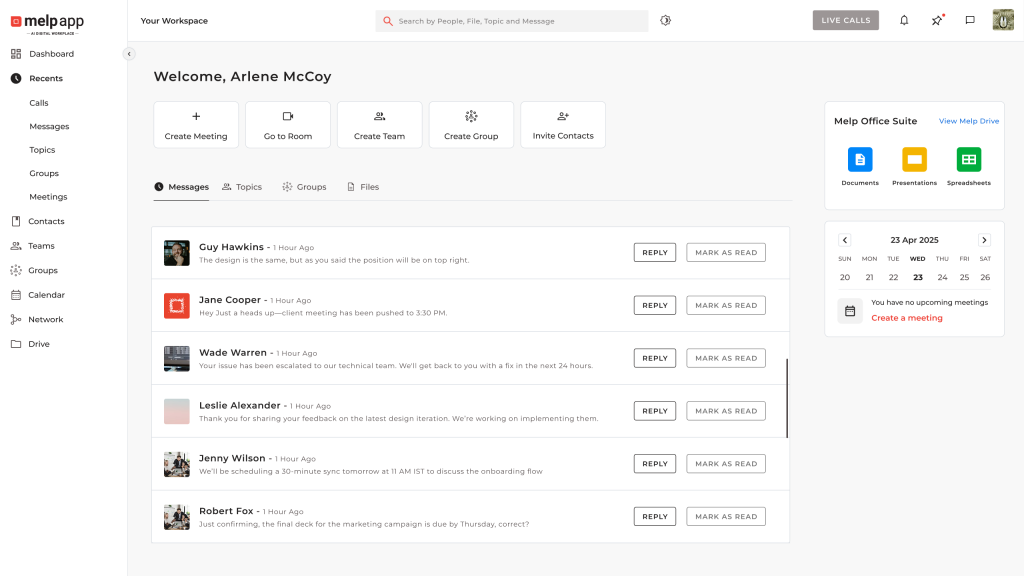
Melp App is built around a collaboration model that reflects how modern education actually operates across institutions, partners, and learning networks. Its approach is centered on connecting multiple organizations in a single, controlled environment, which is why it is known as a Multi-Enterprise Linking Platform. In education, collaboration often extends beyond one classroom or campus and includes guest educators, external trainers, partner institutions, and distributed teams. Melp App supports this reality by making cross-organization collaboration feel structured rather than scattered.
For educators and institutions, the biggest impact comes from reduced complexity. Instead of managing separate systems for internal coordination and external collaboration, learning activities remain connected in one place. Students benefit from clear communication paths and consistent collaboration spaces, similar to systems designed for cross-enterprise collaboration across organizations, while educators gain better visibility and control over how collaboration happens. This makes the Melp App suitable not only for education but also for institutions that operate across sectors and need collaboration that scales without losing clarity.
Collaboration outcomes supported by the Melp App:
- Secure collaboration across multiple organizations
- Clear separation without disconnecting teams
- Reduced tool switching for educators and learners
- Better coordination with external educators and partners
- Consistent collaboration across campuses and programs
- Improved accountability in group-based learning
- Scalable collaboration for growing education networks
Ready to simplify collaboration without compromising security or control? Get started with Melp App today and bring educators, students, and partners together in a single, secure platform.
Microsoft Teams
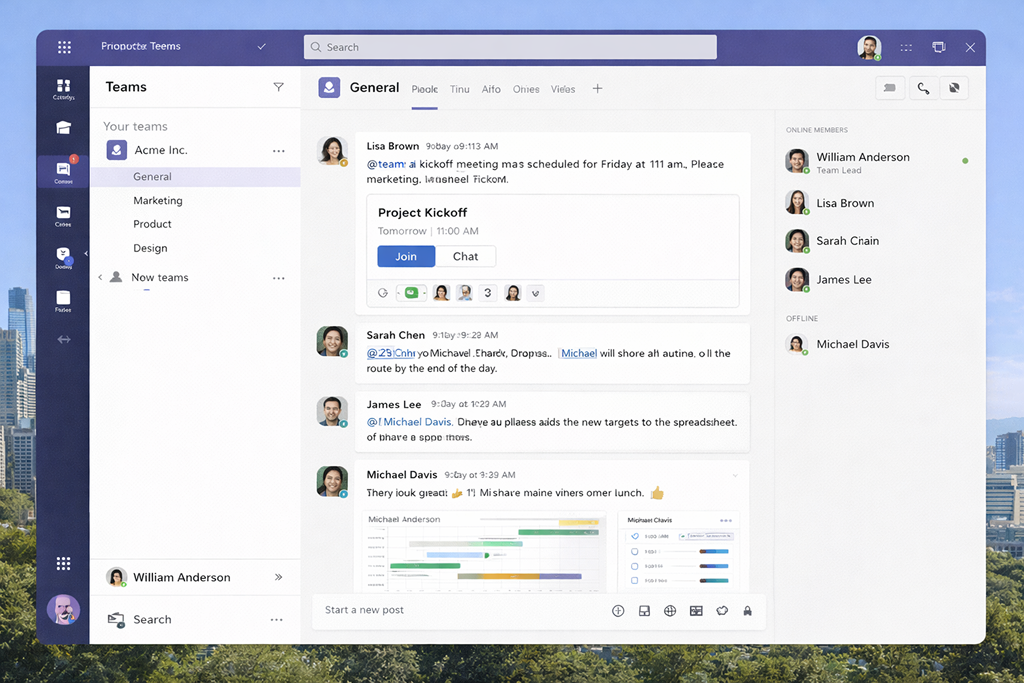
Microsoft Teams is commonly used in educational environments that prioritize structure, consistency, and centralized coordination. It fits well in institutions where collaboration follows defined processes and where multiple academic teams need to stay aligned over long periods. For schools and universities managing large student groups, Teams supports predictable collaboration that helps reduce confusion and maintain order.
The impact of Microsoft Teams in education is seen in how it supports organized interaction. Educators can manage collaboration across classes and departments without losing track of communication. Students benefit from a clear framework that helps them understand where discussions happen and how group work is coordinated. This structured approach works well for institutions that value standardization and long-term collaboration across academic terms, although many institutions also explore Microsoft Teams alternatives when they need more flexibility
Collaboration outcomes supported by Microsoft Teams:
- Organized collaboration for large student groups
- Consistent coordination across academic departments
- Clear communication structure for educators
- Better alignment in long-term academic projects
- Reduced miscommunication in large institutions
- Reliable collaboration for hybrid learning models
- Scalable support for institution-wide teamwork
Google Workspace
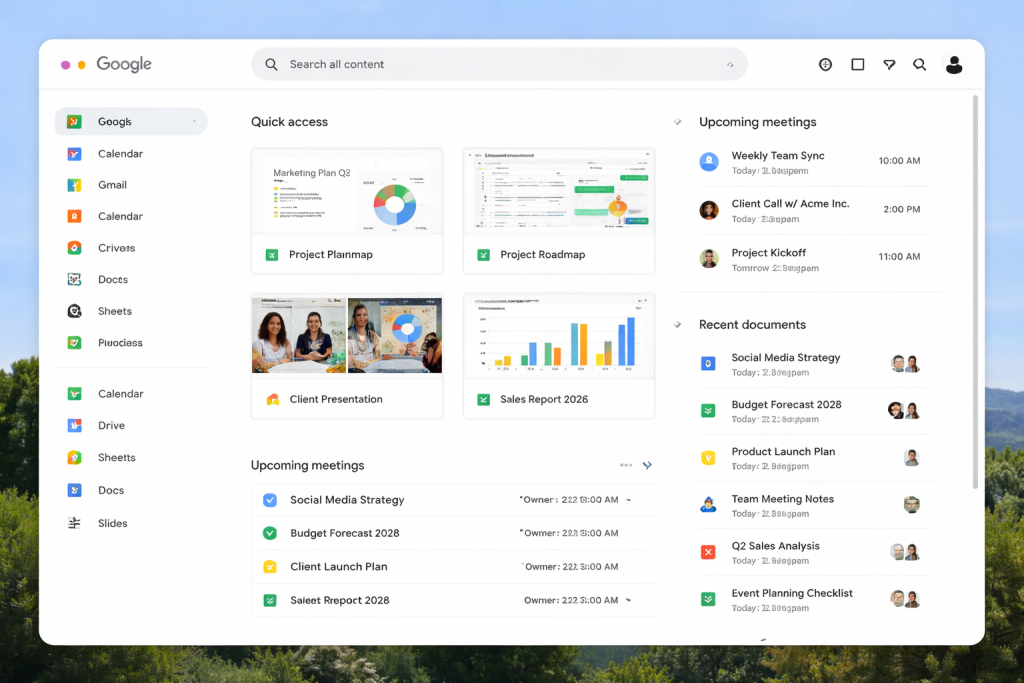
Google Workspace is widely adopted in education settings that value flexibility, speed, and shared contribution. It supports collaboration styles where students and educators work together dynamically, and learning evolves through participation. This makes it well-suited for project-based learning and environments where creativity and iteration are central to the learning process.
The impact of Google Workspace is most visible in how it encourages participation. Students can contribute easily, educators can track progress in real time, and collaboration feels natural rather than forced. This approach helps reduce barriers to engagement, especially in classrooms where learners are encouraged to share ideas freely, while some institutions evaluate Google Workspace alternatives for broader collaboration needs. Institutions often choose it when collaboration needs to remain simple and accessible without a heavy structure.
Collaboration outcomes supported by Google Workspace:
- Real-time collaboration that increases participation
- Faster feedback in group learning activities
- Easy adoption for students and educators
- Strong support for project-based learning
- Flexible collaboration across locations
- Reduced friction in shared academic work
- Inclusive participation in digital classrooms
Why Do Educational Institutions Choose Melp App as the Best Ed-Tech Tool for Collaboration in 2026?
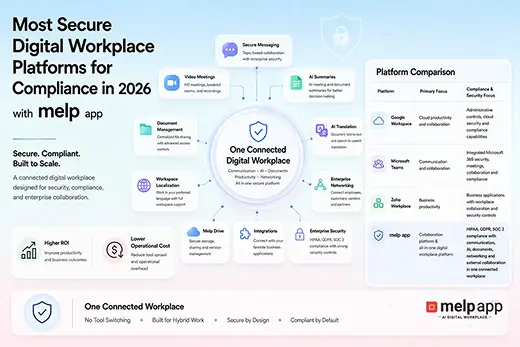
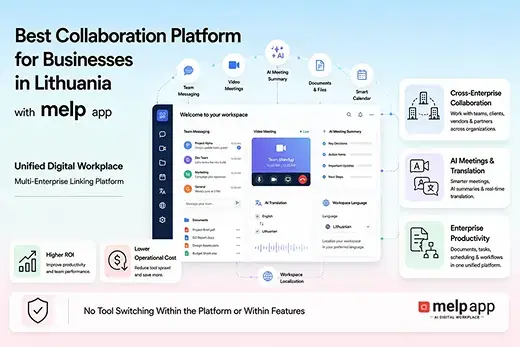
Educational institutions choose Melp App because it is designed as a Multi-Enterprise Linking Platform that supports the way education actually functions today. Learning and collaboration no longer stay within a single classroom or department. Institutions work with external educators, partners, and multi-campus teams, and the Melp App brings all of these groups together in one secure digital workspace. It serves as an all-in-one, AI-enabled environment where collaboration, communication, and external coordination happen without the need for multiple disconnected tools. This approach allows institutions to maintain structure and oversight while enabling flexible collaboration.
Melp App supports video and audio conferencing, real-time and topic-based chat, and organized collaboration spaces where teams can work on different topics without losing context. Online meetings include breakout rooms, live captions, AI-generated summaries, and collaborative whiteboards, helping educators manage both instruction and discussion effectively. The platform also supports text-to-text translation, file sharing, centralized storage, document management, scheduling, and calendar coordination. Features such as evaluation mode for structured interviews, personal rooms, face-centering, and integrations with tools like Asana and Salesforce support institutional workflows. With localization support that allows the workspace to appear in a user’s preferred language and compliance with standards such as HIPAA, GDPR, ISO 27001, SOC 2, and multi-factor authentication, melp app aligns with secure collaboration practices in modern organizations and meets the accessibility, security, and scalability needs of educational institutions in 2026.
Why Educational Institutions Choose Melp App as the Best Ed-Tech Tool for Collaboration in 2026 Over Microsoft Teams and Google Workspace
- Melp App is structured as a Multi Enterprise Linking Platform, which aligns better with how educational institutions collaborate with external faculty, partner organizations, and multi-campus networks.
- It supports collaboration beyond internal teams, helping institutions manage academic and operational collaboration in one connected environment.
- The platform brings communication, coordination, and collaboration together, reducing fragmentation across different systems used by educators and administrators.
- Topic-based collaboration spaces help academic teams keep discussions focused on specific courses, projects, or initiatives without overlap.
- Localization capabilities allow users to work in their preferred language, improving accessibility for international students and global education programs.
- Melp App adapts to both structured academic workflows and flexible learning models, supporting different teaching and collaboration styles.
- Integrated collaboration flows help reduce administrative effort while maintaining visibility and accountability.
- Personalized collaboration spaces support focused discussions, mentoring, and evaluation-based interactions.
- The platform is built to meet strict security and privacy expectations, which is critical for educational institutions managing sensitive data.
- Compared with Microsoft Teams and Google Workspace, Melp App offers a broader collaboration approach that works across sectors, not just within a single organizational boundary.
How to Choose the Best Ed-Tech Tools in 2026
Choosing the right Ed-Tech tools in 2026 begins with understanding how your institution actually teaches and collaborates daily. Modern education operates across physical classrooms, online platforms, and external partnerships, so the tools you select should fit naturally into these workflows. A strong Ed-Tech solution should simplify collaboration for educators and students, support both short-term teaching needs and long-term academic goals, and remain easy to use without creating unnecessary complexity. Reliability, security, and adaptability are essential as learning models continue to evolve.
What to look for when selecting Ed-Tech tools in 2026:
- Alignment with real classroom and institutional workflows
- Easy adoption for educators, students, and administrators
- Support for collaboration beyond internal classrooms when required
- Strong data privacy and security standards suitable for education
- Flexibility to adapt as teaching methods and learning environments change
Conclusion
In 2026, effective collaboration is essential for modern education, and choosing the right tools can directly impact learning outcomes and institutional efficiency. The Best Ed-Tech Tools for Collaboration, including Melp App, Microsoft Teams, and Google Workspace, support different collaboration needs across classrooms, hybrid models, and remote learning. By selecting tools that align with real educational workflows, support secure and flexible collaboration, and adapt to evolving learning environments, institutions can create connected, productive, and engaging education experiences, similar to all-in-one digital workplace platforms.