Introduction Work did not change all at once. It shifted quietly. First, a few days at home. Then fewer desks in the office. Then teams spread across cities without anyone making a big announcement about it. What used to be a routine of morning commutes and in-person meetings slowly gave way to something less predictable
Introduction Think about the last time you needed a quick answer at work. You probably did not open your email, write a carefully worded message, and wait half a day. You typed a short line, hit send, and expected a reply within minutes. That simple habit says a lot about how work actually happens now.
Introduction Think about how work actually gets done today. A teammate sends a quick message before breakfast. Someone else reviews a document while sitting in traffic on a train. A decision that once took a meeting room and a whiteboard now happens across time zones in a shared digital space. This is not a trend
Business process outsourcing has evolved into a significant support system for companies seeking to scale without incurring additional internal workload. Yet the work inside a BPO is rarely as simple as it looks from the outside. Teams deal with constant pressure from clients, tight deadlines, shifting priorities, and the high expectations that come with being
Many small business owners worry that meaningful security requires expensive tools, large teams, or complex systems. This belief often leaves them unsure about where to start or what steps truly matter. The reality is very different. Strong Organizational Security is less about big budgets and more about consistent habits, informed decision-making, and awareness of what
Communication is the heartbeat of every modern organization. Teams share ideas, customers reach out for help, and partners exchange sensitive information. Yet the same channels that keep a business running can also become the easiest path for cybercriminals. This is why Communication Security has become a core priority for companies of every size. From email
If you’ve ever watched two businesses try to work together while running on half-baked updates, scattered conversations, or unclear expectations, you already know how messy things can get. Projects stall. People repeat tasks that didn’t need repeating. Emails pile up just to clarify something that should’ve been clear from the beginning. And usually, no one
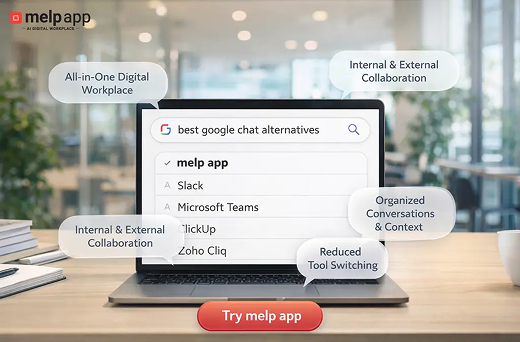
Introduction If you have ever spent time scrolling through a crowded chat to find an important update, you are not alone. Many teams face this problem. One missed message or a buried reply can slow down the entire workflow. Google Chat works well for simple communication, but when workloads increase or multiple teams share the
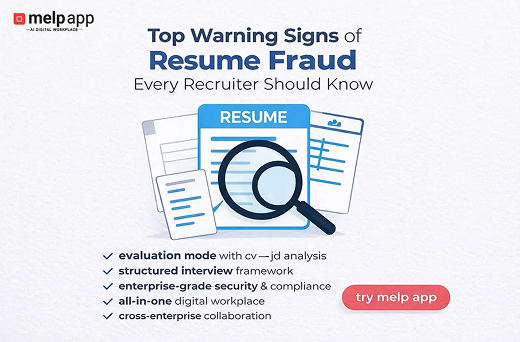
If you’ve spent enough time in hiring, you’ve probably had that moment—the one where a resume looks great, maybe even too great, and something inside you whispers, “Slow down. Look again.” Most seasoned recruiters trust that instinct for a reason. The hiring landscape has changed fast, and so has the creativity of applicants who want
Hiring today doesn’t feel anything like it did a few years ago. Recruiters are working at a faster pace, roles open and close quickly, and remote interviews have become the norm rather than the exception. But as the hiring process moved online, a different challenge quietly grew along with it: Fake Candidates slipping into the