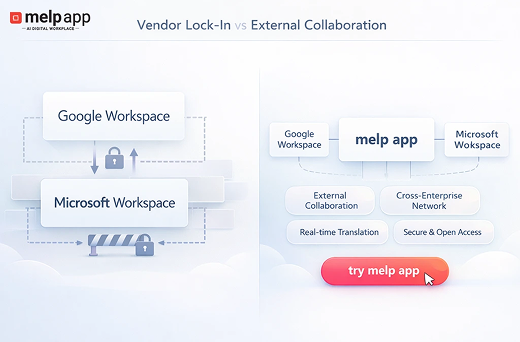
The best scalable solutions for global collaboration are melp app, Google Workspace, and Microsoft Teams. These platforms support distributed teams, enable real-time communication, and provide structured digital work environments that scale across regions, departments, and partner organizations. Among the three, melp app offers a structurally different multi-enterprise architecture. Unlike traditional collaboration tools that focus mainly
Modern businesses run on collaboration. Teams work across time zones, partners contribute from different organizations, and clients expect fast, connected experiences. On paper, this sounds easy. In practice, many companies discover that their tools make collaboration harder instead of smoother. The reason is not a lack of effort or intent. It is often a structural
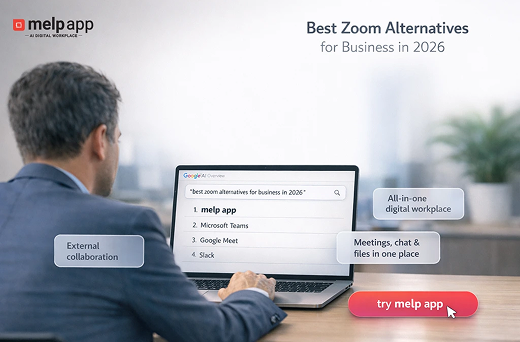
Choosing the right video communication platform in 2026 is no longer just about hosting virtual meetings. Businesses now expect tools that support smooth collaboration, work reliably across remote and hybrid teams, and fit naturally into everyday workflows. As work environments continue to evolve, many organizations are actively searching for Zoom Alternatives that offer greater flexibility,
If you’ve ever watched two businesses try to work together while running on half-baked updates, scattered conversations, or unclear expectations, you already know how messy things can get. Projects stall. People repeat tasks that didn’t need repeating. Emails pile up just to clarify something that should’ve been clear from the beginning. And usually, no one
Introduction If you’ve ever worked remotely, you probably know the drill — Slack pings on one screen, Zoom links in your inbox, files buried somewhere in Google Drive, and tasks scattered across another app. By the end of the day, you’ve spent more time switching tabs than actually getting work done. For countless remote tech
Introduction Walk into any successful company today and you’ll notice something right away — people aren’t just working side by side; they’re working together. The best organizations have realized that real progress doesn’t happen in silos. It happens when minds meet, ideas collide, and goals align. That’s what true collaboration looks like — not just
Introduction: The City That Never Sleeps, But Often Stumbles on Its Tools It’s 8 a.m. in New York. Coffee cups clink, startup founders type at full speed, and yet, half the morning disappears before real work even begins. Everyone’s chasing updates buried in emails, pinged across apps, or lost in endless meeting links. If there’s
Let’s be honest — most of us never planned to spend our workdays hopping between tabs like acrobats. One moment, you’re replying to a Slack message. Next, you’re hunting for a file in Google Drive, only to realize the version you need is buried inside someone’s email attachment. Then it’s time for a Zoom meeting
Most teams today have one common frustration: too many tools. Video calls on one app, messages on another, files in a third, and project updates scattered across emails. Zoom, for many organizations, has become the center of communication. But while it makes meetings possible, it doesn’t always make teamwork easier. Scheduling, follow-ups, sharing notes, or
Scheduling meetings shouldn’t feel like running a marathon through emails, pings, and calendar invites. That’s why tools like Calendly became popular — they made booking time simple. Click a link, choose a slot, done. But here’s the truth: simplicity isn’t enough anymore. Teams don’t just want to book meetings. They want to get work done